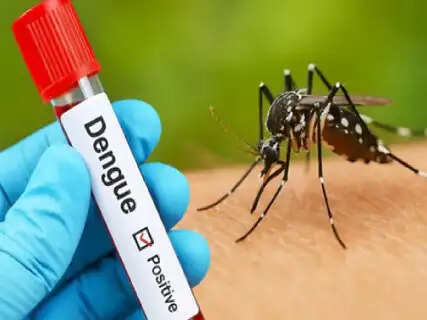
The monsoon season reaches its peak, the risk of vector-borne illnesses spikes dramatically, with dengue fever emerging as one of the most critical public health challenges. Driven by persistent waterlogging, high humidity, and urban filth, mosquito-breeding hotspots are multiplying rapidly across cities, putting millions at risk. According to the World Health Organization (WHO), global dengue cases have surged thirtyfold over the past five decades, establishing it as a major international health crisis. Understanding how the virus spreads, recognizing its dangerous warning signs early, and adopting rigorous prevention methods are your best defenses against severe illness during the rainy season.Understanding Dengue Transmission and Early Warning SymptomsDengue fever is primarily transmitted through the bite of an infected female Aedes aegypti mosquito, which thrives in stagnant water found in coolers, flowerpots, discarded tires, and blocked drains. It is vital to note that dengue does not spread through human-to-human contact, but rather through the mosquito vector chain. While many individuals experience mild symptoms or recover with rest and hydration, recognizing the red-flag signs early can save lives. Watch out for these five serious indicators that demand immediate medical attention:Severe Abdominal Pain and Persistent Vomiting: Unrelenting stomach cramps and continuous vomiting indicate a dangerous progression of the infection that requires clinical intervention.Spontaneous Bleeding: Any unusual bleeding from the nose or gums, or discovering blood in vomit or diarrhea, points to severe dengue complications.Respiratory Distress: Experiencing trouble breathing or shortness of breath is a critical emergency sign.Circulatory and Urinary Shifts: Noticeably decreased urine output, extreme lethargy, or skin that suddenly turns pale, clammy, or cold indicate shock.Profound Exhaustion and Pain: Sudden high fever coupled with excruciating bone, muscle, joint, or retro-orbital eye pain that severely limits daily function.Crucial Monsoon Prevention Strategies to Eliminate Breeding GroundsPrevention remains the most effective tool against dengue. Because Aedes mosquitoes are predominantly daytime biters—with peak activity occurring in the morning and afternoon—constant vigilance is required. Homeowners must conduct weekly checks to eliminate standing water in and around living spaces. Inspect flowerpot trays, air coolers, pet bowls, refrigerator drip trays, balconies, and discarded containers thoroughly. Since mosquito eggs cling tenaciously to the inner walls of vessels, scrubbing containers clean is essential. Additionally, install fine mesh screens on doors and windows, keep entry points closed, and use mosquito nets, particularly to protect children and the elderly.Clinical Management, Platelet Monitoring, and Safe Recovery PracticesIf you suspect a dengue infection, consulting a qualified physician and undergoing recommended diagnostic tests, such as a Complete Blood Count (CBC), is imperative. Doctors closely monitor trends in patient symptoms, hydration levels, blood pressure, and hematocrit rather than relying solely on a single platelet count reading, as a low count alone does not automatically necessitate a transfusion. For recovery at home, focus on strict bed rest, hydration with oral rehydration solutions (ORS), water, and soups. While paracetamol can be used to manage fever and body aches under medical supervision, strictly avoid self-medicating with non-steroidal anti-inflammatory drugs (NSAIDs) like aspirin, ibuprofen, or diclofenac, as they can induce severe bleeding. Antibiotics, steroids, and unverified platelet-boosting remedies should also be strictly avoided unless specifically prescribed by your doctor.