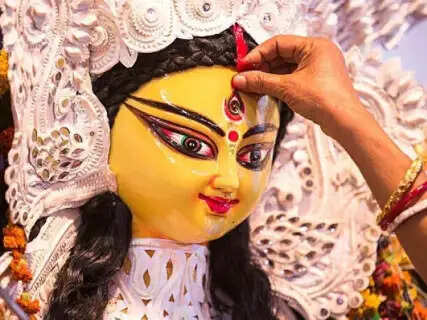
In the sacred tapestry of Hindu spiritual traditions, the worship of the Divine Feminine holds an elevated place. While the seasonal Chaitra and Sharad Navratris witness grand public celebrations, the esoteric Gupt Navratris arriving during Ashadha and Magh carry a deeply profound and concealed spiritual significance. Dedicated to intense meditation, occult practices, and esoteric sadhana away from the public gaze, this nine-day period allows earnest devotees to commune with the primordial cosmic energy. This year, the auspicious Ashadha Gupt Navratri commences on Wednesday, July 15, 2026, extending through July 23, 2026.Sacred Calendar and Esoteric DatesAccording to the traditional Hindu panchang, the Pratipada Tithi of the Shukla Paksha in the month of Ashadha begins at 11:42 am on July 14, 2026, and concludes at 8:20 am on July 15, 2026. Aligning with these celestial transitions, devotees will set up their sacred altars and perform the ritualistic installation of the urn on the morning of July 15, marking the official opening of the hidden spiritual window.Auspicious Ghatasthapana TimingThe precise window for performing Ghatasthapana (Kalash Sthapana) on the opening day of the festival falls between 6:03 am and 8:20 am on July 15, 2026. This highly auspicious window spans precisely 2 hours and 17 minutes, offering an optimal energetic alignment for practitioners to invoke the protective and transformative grace of Maa Adishakti into their ritual spaces.Invoking the Ten Powerful MahavidyasDifferentiating itself from standard autumnal celebrations, Gupt Navratri centers on the powerful worship of the Dash Mahavidyas—the ten supreme wisdom aspects of the Divine Mother. Throughout this nine-day journey, practitioners secretly worship Goddess Kali, Tara Devi, Tripura Sundari, Bhuvaneshwari, Chinnamasta, Tripura Bhairavi, Dhumavati, Baglamukhi, Matangi, and Kamala Devi to transcend earthly obstacles and achieve higher spiritual liberation.Step-by-Step Ritual for Altar and Kalash InstallationTo commence the observance, practitioners must purify themselves through a ritual bath, don clean attire, and thoroughly cleanse the sanctified worship area using consecrated Gangajal. A clean red or yellow cloth is spread across a wooden chowki to enthrone the sacred images or symbols of the Ten Mahavidyas. A copper or earthen vessel filled with pure water is adorned with fresh mango leaves and topped with a sacred coconut. An eternal oil or ghee lamp is lit beside the altar, followed by immersive recitations of the Durga Saptashati, culminating in a devotional aarti and a humble prayer seeking forgiveness for any unintended ritual omissions.
Around the web