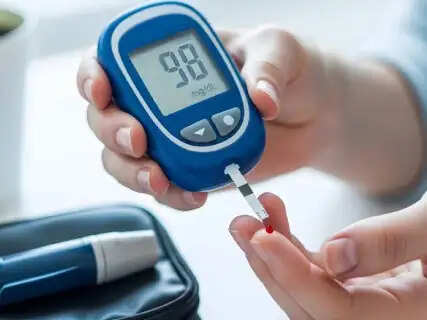
With diabetes aggressively scaling across India to affect nearly every second household, self-monitoring of blood glucose (SMBG) has transformed into an essential daily ritual for millions. Checking blood sugar levels from the comfort of your home offers immediate data regarding glycemic spikes or dangerous drops, helping patients self-regulate their diet and insulin dosages. However, many individuals frequently witness alarming fluctuations when testing multiple times a day, raising deep concerns about the reliability of home glucometers. To address this widespread issue, prominent Jaipur-based endocrinologist Dr. Vipul Agarwal has highlighted three fundamental errors patients routinely commit during the lancing process that inadvertently sabotage their technical accuracy.The First Drop Dilemma: Why Testing the Initial Blood Specimen Distorts ResultsAccording to Dr. Vipul Agarwal, one of the most frequent errors occurs the moment the lancet pierces the skin. Most individuals immediately apply the very first drop of blood onto the glucometer test strip. Medical protocols warn that this initial capillary sample is highly susceptible to external contamination from microscopic surface bacteria, perspiration, or invisible traces of food sugar lingering on the skin. To systematically bypass this technical flaw, patients should always use a clean cotton swab to wipe away the first emerging drop of blood, allowing the second clean drop to surface naturally. Utilizing this second sample ensures a pure, uncontaminated biological read, closely mirroring standard laboratory accuracy.Precision Finger Selection: Maximizing Micro-Vascular Blood Flow SafelyThe specific anatomical site chosen for capillary puncture directly impacts both the comfort level of the patient and the structural volume of the sample. Dr. Agarwal strongly advises against utilizing the index finger or thumb, as these digits are heavily populated with nerve endings, leading to increased physical pain and structural skin calluses over time. Instead, individuals should consistently rotate between the middle and ring fingers. If poor peripheral circulation makes it difficult to draw a sufficient sample, individuals should vigorously rub their palms together or wash their hands with warm water prior to the test to rapidly stimulate localized micro-vascular blood circulation.Stop the Squeeze: How Forceful Tissue Compression Spoils Glucosal DataWhen the lancet fails to produce an adequate volume of blood instantly, a natural reaction for most patients is to forcefully squeeze or pinch the fingertip. Medical experts warn that this aggressive manual compression introduces severe diagnostic errors. Squeezing forces intercellular interstitial fluid to dilute the pure capillary blood sample, artificially lowering the glucose concentration readout on the digital screen. Furthermore, deep-tissue pressure can push localized cellular debris into the sample window. If the blood does not flow freely, it is highly recommended to gently milk the finger upward from the base or readjust the depth settings of the lancing device rather than exerting destructive pressure.Clear Clinical Guidance: When to Transition from Home Glucometers to Laboratory DiagnosisWhile correcting these three mechanical habits will significantly streamline the consistency of your home glucose charts, structural fluctuations may still occur due to strip degradation or device calibration issues. Dr. Vipul Agarwal advises that if your daily home readouts continue to show highly erratic patterns that do not align with your physical symptoms, you must immediately seek a comprehensive venous blood test at a certified diagnostic laboratory. Because automated lab analyzers operate under strictly controlled chemical baselines, their results remain the gold standard for clinical decision-making, allowing your physician to adjust your diabetes treatment plan with absolute certainty.
Around the web