
BCCI Shares Christchurch Pitch Pic: Bowl First After Winning Toss
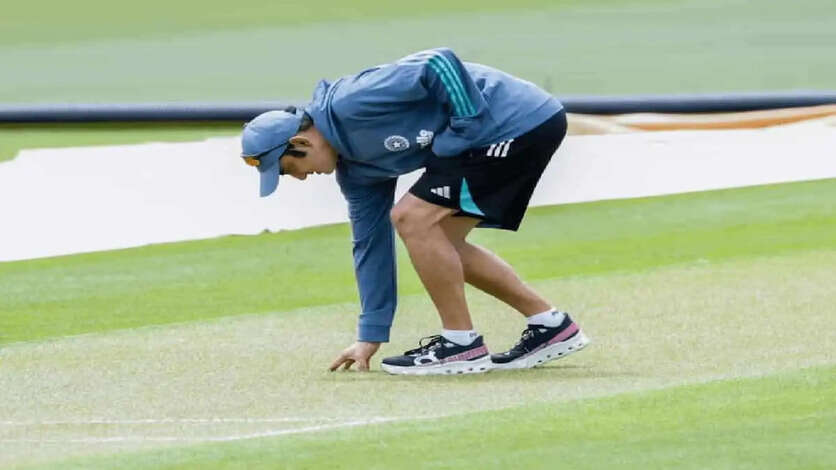
With the two-Test series deadlocked after a high-scoring draw in Wellington, India and New Zealand head to Hagley Oval in Christchurch for the series decider starting Friday, November 27, 2026, at 3:30 AM IST (11:00 AM local time). Ahead of the match, the Board of Control for Cricket in India (BCCI) shared match-eve visuals of the Christchurch surface on social media, drawing close inspection from captains, coaches, and fans trying to read how the pitch will play across five days. Early signs point to a grassy top that can offer lively seam movement, bounce, and carry to fast bowlers during the opening sessions—especially under cloudy skies following rain on Thursday—before drying out and easing for strokeplay as the match wears on. Historically, chasing teams have enjoyed a 56.25% win rate in Test matches at Hagley Oval, making bowling first after winning the toss a compelling tactical option. For cricket fans, morning-session followers, and sports enthusiasts across Uttar Pradesh—including viewers in Lucknow and neighboring cities such as Unnao, Kanpur, Prayagraj, and Varanasi, who wake up for early-morning Test sessions and track every toss and team-selection call—reading the Christchurch pitch and weather cues is central to what unfolds on Day 1.
Hagley Oval Pitch Behavior, Weather Cues, and Toss Strategy
Both New Zealand bowling coach Jacob Oram and Hagley Oval head curator Jayden Tohill have pointed toward a classic dual-paced Test surface rather than the flat slog that developed late in Wellington:
| Pitch & Match Factor | Key Observation Ahead of the Christchurch Test | Tactical Implication |
| Grass Cover & Bounce | Pitch retains grass cover expected to offer more pace, bounce, and seam movement early on than Wellington's surface. | New-ball seamers get early assistance, making the first hour or two testing for top-order batters. |
| Pitch Aging & Flattening | Both Jacob Oram and head curator Jayden Tohill note green-tinged surfaces can dry and flatten out as the game progresses. | Batters who survive the early movement can cash in once set and in later innings. |
| Weather & Cloud Cover | Rain in Christchurch on Thursday and cloudy skies forecast around the start can keep moisture and swing alive. | Adds extra bite for pace attacks early on Day 1. |
| Hagley Oval Chase Record | Chasing sides hold a 56.25% win percentage (winning 9 of 15 completed Test results at the venue, vs. 4 for teams batting first). | Winning the toss and bowling first is an attractive call when overhead conditions favor seamers. |
Why Surviving the Early Phase Matters—and How the Series Stands
Following the 1st Test at Wellington's Basin Reserve, where 1,327 runs were scored across 24 wickets in a draw—highlighted by India posting 720/9d with a century from Rishabh Pant and strong contributions from KL Rahul, Shubman Gill, Yashasvi Jaiswal, Devdutt Padikkal, and Dhruv Jurel, while Henry Nicholls anchored New Zealand's resistance—both camps know Christchurch offers a chance to force a decisive result. Jacob Oram emphasized that final bowling combinations will be weighed on Friday morning after checking temperature, wind, drying, and color change, while noting that batters who weather the initial burst can still score heavily once settled.
Selection Questions and What to Watch on Morning 1
With the series level at 0–0 heading into the final Test, team selection debates around Mohammed Siraj—who was left out of the Wellington XI—and spin/all-round balance between Ravindra Jadeja and Washington Sundar add extra intrigue alongside India's pace spearheads. Whether the toss-winning captain opts to unleash fast bowlers first under Christchurch clouds or back their batting lineup to set a target, the opening sessions on November 27 will quickly test how much life remains in the Hagley Oval turf.