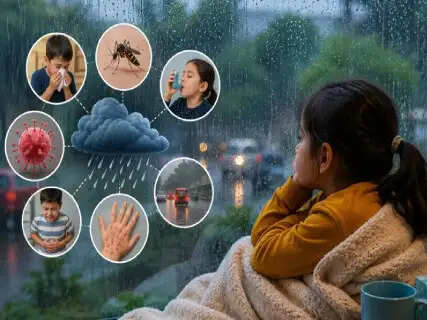
New Delhi: For most urban commuters, a heavy monsoon alert simply triggers preparations for traffic snarls, waterlogged streets, or carrying an umbrella. However, for pediatricians across India, a rain warning signals a completely different kind of emergency: an impending surge of young patients flooding hospital emergency rooms with severe infections, respiratory distress, and physical injuries. As the rainy season intensifies, leading medical experts reveal that everyday weather forecasts might actually be the most underutilized tool for safeguarding children's health.The Hidden Timeline: Why Kids Fall Ill Days After the DownpourMany parents view seasonal sickness as a matter of random bad luck. However, Dr. Amin Kaba, Consultant of Pediatric Medicine at Narayana Health SRCC Children's Hospital in Mumbai, explains that there is a highly predictable scientific pattern to monsoon illnesses. The real health crisis typically unfolds a few days after the heavy showers stop.During continuous rainfall, children spend prolonged periods stuck indoors, often exposed to damp walls and stagnant indoor air. Once they venture outside, they immediately interact with a highly contaminated environment. Stagnant puddles, wet public surfaces, and skyrocketing mosquito populations create a perfect breeding ground for bacteria and viruses, leading to a sudden spike in hospital visits shortly after a storm.The Monsoon Medical Checklist: Common Sicknesses to Watch ForWithin 48 to 72 hours of heavy rainfall, pediatric emergency departments consistently report a dramatic influx of specific medical conditions.The most common monsoon illnesses include:Respiratory Issues: Acute viral fevers, severe respiratory tract infections, and intense allergic reactions.Stomach and Liver Infections: Gastroenteritis, Typhoid, and Hepatitis A caused by contaminated drinking water and food.Severe Pathogens: Leptospirosis (spread through water contaminated with animal urine) and painful skin rashes.Vector-Borne Outbreaks: A rapid rise in cases of Malaria, Dengue, Chikungunya, and Japanese Encephalitis.Slippery Hazards: The Non-Infectious Danger Parents OverlookWhile micro-organisms catch most of the blame during the rainy season, doctors warn that physical trauma is an equally alarming monsoon threat. Continuous downpours transform familiar, safe surroundings into high-risk zones.Slippery playground equipment, wet school staircases, moss-covered corridors, and hidden potholes on flooded roads lead to a sharp rise in accidental falls. Every year, pediatric trauma centers experience a surge in children requiring urgent treatment for painful fractures, joint sprains, deep cuts, and sudden head injuries resulting from simple slips.The Mold Menace: Why Rainy Weather Triggers Severe AsthmaNot every child rushing to the hospital during the monsoon is suffering from a contagious bug. The extreme humidity and persistent dampness characteristic of the rainy season stimulate a massive explosion in the growth of indoor mold and fungi.Simultaneously, shifting barometric pressure and moisture-laden winds release high concentrations of airborne allergens. For children with pre-existing allergies or respiratory vulnerabilities, this toxic environmental mix acts as an immediate trigger, causing severe asthma flare-ups and sudden breathing difficulties even if they stay completely dry.Utilizing Weather Forecasts as Real-Time Health AlertsAs unpredictable global climate shifts create more intense weather events, the medical community is actively exploring ways to integrate meteorological data into healthcare logistics. Dr. Kaba believes that localized rainfall forecasts can serve as an early warning system, allowing pediatric hospitals to staff up emergency rooms and prep essential medications well in advance.For parents, receiving a heavy rain alert on their smartphones should prompt them to look beyond the weather graphics. It should serve as a timely reminder to reinforce strict hand hygiene, eliminate stagnant water around the house, ensure the consumption of purified water, and closely monitor vulnerable children for early signs of respiratory distress.
Around the web