
Bihar Eyes 1 Cr Litres Milk Daily by 2030; Sudha Launches New Line
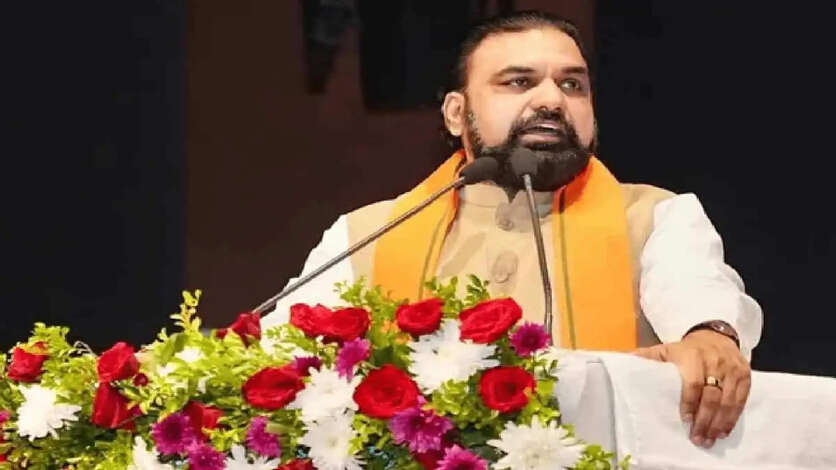
Bihar has unveiled an ambitious roadmap to transform into a major dairy and livestock hub by 2030, aiming to scale daily milk production from roughly 48 lakh litres at present to 1 crore (10 million) litres per day. Addressing a National Milk Day event at Bapu Auditorium (Bapu Sabhagar) in Patna on Thursday, November 26, 2026, Chief Minister Samrat Choudhary announced that the state government will pay the interest on loans taken by economically weaker livestock farmers to buy high-yielding cows and buffaloes under the Chief Minister's Godhan Vikas Loan Scheme, alongside expanding Sudha dairy's product lineup with goat milk, Makhana Kheer, and Premium Rabri. He noted that Sudha has increased milk output by more than one lakh litres over the past six to seven months while expanding beyond state borders—including a one-lakh-litre-per-day processing unit in Assam and plans for another 100,000-litre plant in West Bengal—as Bihar works to position Sudha as a broader national brand. For dairy farmers, agri-entrepreneurs, cooperative observers, and readers across Uttar Pradesh—including households and agribusiness circles in Lucknow and neighboring centers such as Unnao, Kanpur, Prayagraj, and Varanasi, where milk cooperatives, livestock credit, and rural value-addition chains are closely followed—Bihar's push highlights how processing scale, local credit relief, and regional specialties like makhana can reshape rural incomes.
Core Pillars of Bihar's 2030 Dairy, Goat-Milk, and Value-Addition Push
During the Patna ceremony—which also featured National Gopal Ratna Award honors, release of livestock statistics, and launch of a climate-resilient livestock roadmap toward 2047—the state outlined several key initiatives across production, processing, and rural livelihoods:
| Focus Area | Key Announcements & Targets | Expected Rural & Market Impact |
| Daily Milk Production Goal | Scale output from ~48 lakh litres/day now to 1 crore litres/day by 2030; Sudha rose by over 1 lakh litres in 6–7 months. | Strengthens farmer incomes, procurement networks, and dairy self-reliance across Bihar. |
| Cattle Purchase & Interest Support | Government to bear loan interest for lower-income livestock farmers buying superior cow/buffalo breeds under Godhan Vikas Loan Scheme. | Lowers borrowing barriers for smallholders upgrading herd productivity. |
| New Sudha Products & Goat Milk | Launch of Makhana Kheer and Premium Rabri; rollout of goat milk with a 1,00,000-litre/day supply target. | Adds value to Bihar's makhana economy and creates new income streams for small goat rearers. |
| Out-of-State & Panchayat Reach | 1 lakh-litre/day plant set up in Assam, 100,000-litre unit planned in West Bengal; Sudha booths expanding to panchayats. | Expands brand footprint outside Bihar and improves last-mile consumer/farmer access. |
| Veterinary & Mineral Support | Block-level veterinary medicine centers; mineral mixture units at Patna and Tirhut Dairy Federations. | Improves cattle health, nutrition, and milk yield consistency on the ground. |
Empowering Women Through Lakhpati Didi and Pashu Sakhis
Linking dairy expansion directly with women's economic empowerment, Samrat Choudhary noted that around 1.87 crore (18.7 million) women have been linked through the state's women's employment initiatives, with roughly 50 lakh (5 million) women already achieving Lakhpati Didi status and a target set to reach 1 crore Lakhpati Didis before 2030. To deepen women's participation in animal husbandry, the state is also building a cadre of Pashu Sakhis to support livestock care, milk collection, and value-added dairy activities at the village level.
Cow Dung Compressed Biogas (CBG) and District Milk Leadership
Beyond milk and dairy sweets, Bihar is tying cattle rearing to clean energy and organic agriculture through its Compressed Biogas (CBG) policy, with roughly 50 proposals received for setting up biogas plants that turn cow dung into fuel and bio-manure while diversifying rural revenue. Commending livestock producers in Samastipur as a leading center of milk output in the state, the Chief Minister emphasized that combining modern veterinary care, cooperative infrastructure, and clean-energy avenues will help rural households build sustainable earnings into the next decade.