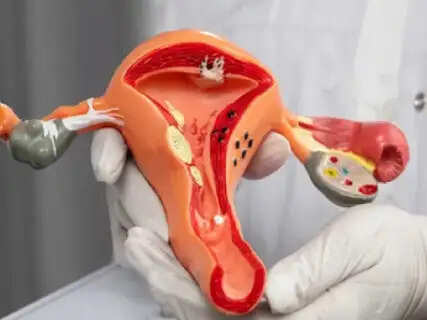
Popular television actress Sumona Chakravarti has recently shed light on a deeply personal health journey, revealing that she underwent surgery for endometriosis. Diagnosed initially in 2021, Sumona shared that despite her best efforts to manage the condition through lifestyle adjustments, the disease progressed, ultimately necessitating a surgical intervention. Beyond her own recovery, the actress is now spearheading a mission to build a support community for women, aiming to dismantle the stigma surrounding reproductive health issues that often go undiscussed in mainstream conversations.Understanding the Silent Struggle: What is Endometriosis?Endometriosis is a complex condition affecting nearly 190 million women globally, according to the World Health Organization. Under normal circumstances, the endometrium—a lining within the uterus—sheds during menstruation. In cases of endometriosis, this tissue grows outside the uterus, attaching itself to the ovaries, fallopian tubes, and pelvic lining. Because this tissue acts like regular uterine lining, it breaks down and bleeds during each menstrual cycle but has no way to exit the body, leading to inflammation, severe scar tissue, and chronic, debilitating pain.Recognizing the Warning SignsEarly detection is frequently hindered because many women mistake the symptoms for routine menstrual discomfort. Key indicators that require medical attention include:Persistent Pelvic Pain: Severe cramping in the lower abdomen before or during periods that fails to subside.Painful Intercourse: Discomfort during or after physical intimacy.Menstrual Irregularities: Unusually heavy bleeding or spotting between cycles.Fertility Challenges: Issues such as blocked fallopian tubes that may impede conception.Management and Treatment PathwaysWhile there is currently no permanent cure for endometriosis, medical science offers several strategies to regain control over one's quality of life:Pain Management: Non-steroidal anti-inflammatory drugs (NSAIDs) are commonly used to mitigate acute discomfort.Hormone Therapy: Birth control pills, patches, or progestin therapy can help regulate the menstrual cycle and slow tissue growth.Laparoscopy: A minimally invasive surgical procedure to remove displaced tissue, often recommended when medication proves ineffective.Advanced Surgical Intervention: In extreme, refractory cases, a hysterectomy may be considered.Holistic Lifestyle Changes: Incorporating regular exercise to balance estrogen levels and adopting an anti-inflammatory diet can significantly aid in reducing internal swelling and inflammation.
Around the web