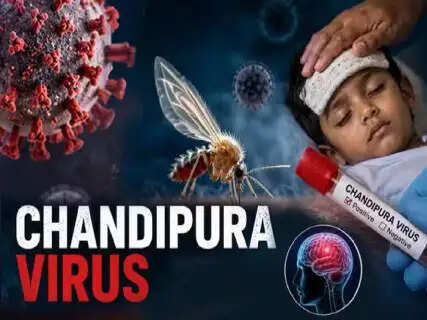
A severe health scare has gripped Gujarat during the ongoing monsoon season as the Chandipura virus (CHPV) outbreak tragically claims the lives of 22 children. According to state health department data, out of 184 suspected cases evaluated across various districts, 35 have tested positive for the infection. Most alarming to medical authorities is that every single confirmed patient has been a child under the age of 15. Because there is currently no specific vaccine or antiviral treatment available to combat the pathogen, the World Health Organization (WHO) and local health officials are strongly emphasizing that early detection and immediate hospitalisation are critical to saving young lives.Understanding Chandipura Virus and How It SpreadsThe Chandipura virus belongs to the Rhabdoviridae family and is widely recognized for triggering Acute Encephalitis Syndrome (AES) across western, central, and southern regions of India, typically peaking during the rainy months. The virus gets its name from Chandipura, a village in Maharashtra's Nagpur district where it was first identified in 1965. Unlike contagious respiratory illnesses, this virus does not spread directly from person to person. Instead, it is transmitted entirely through the bites of infected vectors, primarily sandflies such as Phlebotomus papatasi, along with certain mosquitoes and ticks. Poor sanitation, improper waste management, and rural or semi-urban housing with mud or clay walls often create ideal breeding grounds for these disease-carrying insects.Addressing the gravity of the situation, Gujarat Health Minister Praful Pansheriya noted that medical teams are actively coordinating with primary health centers, community health centers, and civil hospitals to ensure rapid supportive treatment. The government has urged citizens to avoid panic, repair any cracks in mud walls where sandflies hide, and immediately report children showing high fever or neurological signs to the nearest district hospital.Critical Symptoms to Watch For in ChildrenBecause the virus attacks the central nervous system, it can cause rapid inflammation of the brain (encephalitis), making prompt identification essential. The illness often mimics a standard viral infection initially before escalating dangerously within a span of 48 to 72 hours. Key symptoms include:Early Indicators: Sudden high fever, severe headaches, extreme fatigue, muscle aches, and persistent vomiting.Severe Neurological Signs: Altered mental state, confusion, uncontrollable seizures, breathing difficulties, profound drowsiness, and potential slipping into a coma.Medical experts warn that children under 15 are disproportionately vulnerable because their immune and neurological systems are less equipped to handle rapid brain swelling. If a child develops a sudden fever accompanied by seizures, disorientation, or unusual unconsciousness during the monsoon season, parents must rush them to a medical facility without delay.Preventive Measures and Lack of a Direct CureWith no definitive pharmaceutical cure or vaccine currently existing, prevention remains the absolute primary line of defense. The WHO recommends rigorous protective steps to minimize exposure to insect bites, including the use of mosquito nets, application of insect repellents, and dressing children in full-sleeved clothing during evening hours. Maintaining spotless household surroundings, properly managing garbage disposal, and cooperating with local municipal vector-control spraying initiatives can drastically reduce insect breeding. Remaining vigilant and acting within hours can make the vital difference between recovery and tragedy for vulnerable young patients.
Around the web