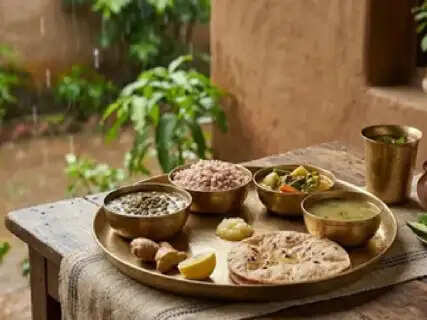
As the refreshing yet challenging rainy season arrives, our bodies undergo subtle shifts that require mindful adjustments to our daily routines and culinary habits. Referred to traditionally as the ancient science of life, Ayurveda emphasizes that aligning our diet with the changing seasons is vital for preserving optimal health and vitality. During the monsoon months, natural humidity and temperature fluctuations tend to weaken our digestive fire (agni) and aggravate the Vata dosha, leaving the body more vulnerable to seasonal infections, viral fevers, and digestive discomforts. Adopting an Ayurvedic monsoon thali tailored specifically for this period can help fortify your immunity and keep your system balanced.Ayurvedic Dietary Guidelines for the Rainy SeasonAyurveda advocates for consuming warm, freshly prepared, and simple meals that are gentle on a compromised digestive system during the wet months. To keep your digestive fire humming along smoothly, incorporating specific wholesome ingredients while steering clear of heavy or contaminating foods is key to weathering the season safely.What to Eat: Best Foods for the MonsoonNourishing your body with easy-to-digest grains and dosha-balancing pulses forms the core of an ideal rainy-season menu. Opt for aged grains such as traditional rice, wheat, and barley, which provide sustained energy without weighing down the stomach. Including yellow mung dal (moong beans) is exceptionally beneficial because it naturally harmonizes all three doshas—vata, pitta, and kapha—while alleviating common rainy-season issues like bloating and acidity. Additionally, incorporating moderate amounts of pure ghee or healthy oils helps pacify the active Vata dosha, while warm dishes seasoned with sensible spices, light salt, and mild sour notes keep the digestive tract robust.What to Avoid: Foods to Skip During the RainsWhile choosing the right foods is crucial, knowing what to leave off your plate is equally important to prevent microbial infections and digestive upset. Ayurveda strongly advises against consuming green leafy vegetables during the monsoon, as increased moisture makes them a breeding ground for bacteria and insects. Raw salads should likewise be bypassed due to the higher risk of foodborne pathogens. Furthermore, heavy dairy products, heavily fermented items, and deep-fried junk foods should be minimized or strictly avoided, as they tend to elevate the Kapha and Pitta doshas and trigger sluggish digestion.
Around the web