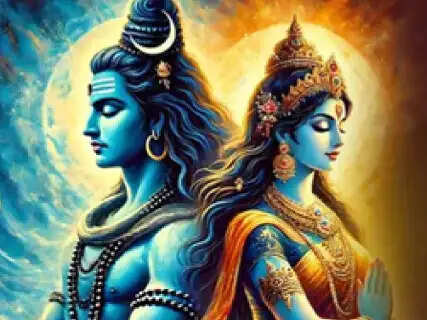
The worship of Lord Shiva and Goddess Parvati is deeply woven into the cultural fabric of India. While they represent a singular cosmic union of consciousness (Shiva) and energy (Shakti), their manifestations vary significantly across different states. From the temples of the South to the sacred sites of the North, regional mythology, local dialects, and unique cultural histories have given rise to a beautiful diversity of names, showcasing India's profound "unity in diversity."Regional Manifestations and Sacred Names Devotees across the country honor this divine couple through localized forms, each with its own rich history and significance:Tamil Nadu: Celebrated as the iconic Meenakshi-Sundareswarar, and also revered in the composite form of Ardhanarishvara.Andhra Pradesh: Shiva is worshipped as Mallikarjuna, while the Goddess is honored as Bhramaramba.Uttar Pradesh: The divine pair is venerated as Vishwanath and Annapurna.Maharashtra: Lord Shiva is known as Khandoba, with the Goddess worshipped as Mahalasa Devi.Gujarat: Worshipped as the powerful Nageshwar and Nageshwari.Telangana: The couple is revered as Rajarajeswara and Rajarajeswari.Rameswaram: Devotees pray to Ramanathaswamy and Parvativardhini.Why the Diversity? The myriad names for Shiva and Parvati reflect the vast cultural landscape of India. Whether it is the influence of Dravidian traditions in the South or the fierce, protective forms found in Shaktipeeths like Kamakhya or Amba, these names are not just labels but expressions of deep regional devotion. This variation allows devotees to connect with the divine through the language, legends, and landscape they call home, making the worship of Shiva and Shakti a truly universal yet deeply personal experience for every Indian devotee.
Around the web