
Gita Jayanti 2026: 3 Kinds of Pride That Invite Ruin, Per Gita
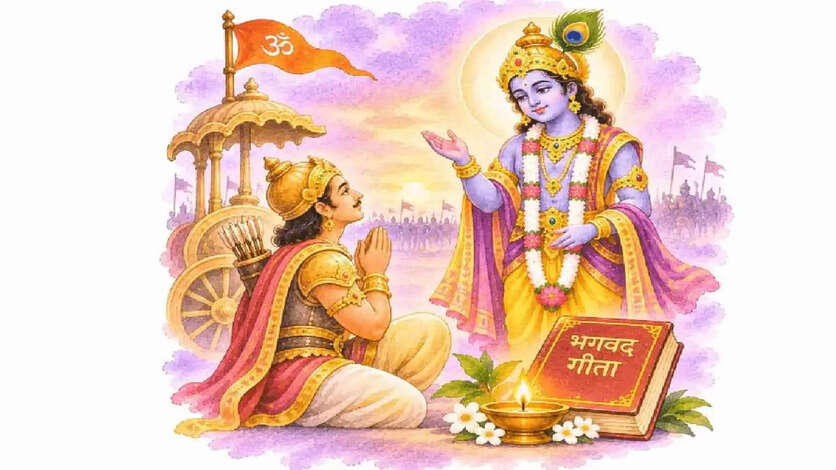
Observed annually on the Shukla Paksha Ekadashi (eleventh lunar day of the waxing fortnight) of the sacred Hindu month of Margashirsha—which coincides with Mokshada Ekadashi—Gita Jayanti 2026 will be celebrated across India on Sunday, December 20, 2026. According to Hindu scripture and tradition, it was on this revered day on the battlefield of Kurukshetra that Lord Krishna imparted the timeless 700-verse Shrimad Bhagavad Gita across 18 chapters to a conflicted Arjuna, illuminating the interconnected paths of karma (righteous action), dharma (moral duty), bhakti (devotion), and jnana (spiritual wisdom). Devotees mark the occasion through collective or household recitation (parayan) of the Bhagavad Gita, temple worship, fasting, and charitable giving (daan), practices believed to purify the mind and ease worldly distress. Among the Gita's sharpest psychological and ethical warnings is its repeated caution against ahankara (ego and arrogance)—particularly in Chapter 16, where vanity, ostentation, and intoxication with status are listed among destructive tendencies that cloud judgment and invite downfall. Specifically, spiritual teachers drawing from Gita wisdom highlight three forms of pride—arrogance over knowledge, vanity over physical beauty, and boasting about wealth—warning that flaunting money amounts to disrespecting Goddess Lakshmi and eroding inner peace. For families, students, professionals, and spiritual seekers across Uttar Pradesh—including readers in Lucknow and neighboring centers such as Unnao, Kanpur, Prayagraj, and Varanasi, where temple recitations, Gita path gatherings, and Mokshada Ekadashi observances bring communities together every Margashirsha—reflecting on these three cautions offers enduring practical guidance for modern life.
Gita Jayanti 2026 Date, Tithi Timings, and the 3 Forms of Destructive Pride
According to Hindu Panchang calculations for New Delhi and North India, the Margashirsha Shukla Ekadashi tithi begins at 10:09 PM on Saturday, December 19, 2026, and concludes at 8:14 PM on Sunday, December 20, 2026, making December 20 the primary day for Gita Jayanti and Mokshada Ekadashi observance:
| Aspect / Teaching | Key Details & Spiritual Insight |
| Gita Jayanti 2026 Date & Tithi | Sunday, December 20, 2026 (Margashirsha Shukla Paksha Ekadashi / Mokshada Ekadashi; tithi runs from 10:09 PM on Dec 19 to 8:14 PM on Dec 20 IST). |
| Sacred Significance | Commemorates Lord Krishna's discourse of the Shrimad Bhagavad Gita to Arjuna at Kurukshetra; marked by Gita recitation, Krishna/Vishnu worship, fasting, and charity. |
| 1. Pride of Knowledge (Vidya Ahankara) | Believing one knows everything halts genuine learning, breeds disrespect toward mentors and peers, and blocks long-term personal and professional growth. |
| 2. Pride of Beauty (Roop Ahankara) | Physical appearance naturally shifts and fades with time; inner character, kindness, and composure leave an enduring impression far beyond outward looks. |
| 3. Pride of Wealth (Dhan Ahankara) | Ostentation and boasting about riches are viewed as an insult to Goddess Lakshmi; prosperity treated with humility sustains families, while arrogance invites loss. |
Why Arrogance Over Knowledge Stalls Growth and Wisdom
One of the subtlest traps highlighted in Gita-based teachings is intellectual conceit—the tendency to look down on others after acquiring a degree, technical skill, or scripture familiarity. In the Bhagavad Gita, true jnana (wisdom) is inseparable from amanitvam (humility and absence of pride), listed first among the virtues of genuine knowledge in Chapter 13. When a person becomes intoxicated by intelligence or credentials, curiosity shuts down, constructive advice is rejected, and learning stagnates—gradually closing doors to meaningful career advancement and respect. By contrast, a learner who wears knowledge lightly continues to grow at every stage of life.
Why Vanity Over Physical Beauty Fades—and How Boasting About Wealth Insults Goddess Lakshmi
Alongside intellectual pride, Gita wisdom cautions against pride in physical appearance and arrogance over material wealth. Human beauty, strength, and youth are inherently transient, changing steadily with age and circumstance; relying on outward looks for self-worth brings insecurity whenever appearances shift, whereas a compassionate, balanced mind commands lifelong respect. Even more emphatically, traditional teachings rooted in the Gita warn against showing off money, status, or possessions—especially during prosperous years. In Hindu ethos, wealth (artha) is revered as a blessing of Goddess Lakshmi meant to be earned ethically, shared generously through daan, and held with gratitude. Turning prosperity into a tool for humiliation or boastful display dishonors Lakshmi's grace and clouds discernment—whereas practicing humility, gratitude, and generosity on Gita Jayanti 2026 anchors lasting peace, dignity, and steady progress.