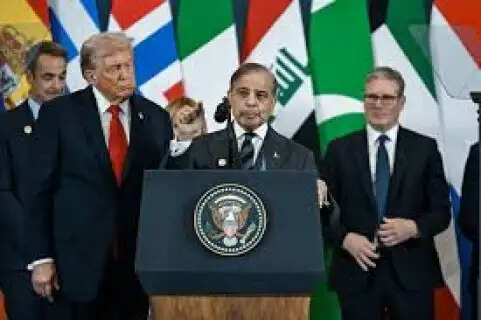
The capital of Pakistan has transformed into a high-security diplomatic fortress as it hosts one of the most significant peace summits of the decade. Starting today, Friday, April 10, 2026, top delegations from the United States and Iran have arrived in Islamabad to begin direct negotiations aimed at ending a weeks-long military conflict that has pushed the Middle East to the brink of total war. Mediated by Prime Minister Shehbaz Sharif and supported by global powers like China and Saudi Arabia, these talks follow a fragile two-week ceasefire that has briefly silenced the guns.The Power Players: Who is at the Negotiating Table?The scale of this diplomatic effort is underscored by the high-ranking officials attending the summit. The United States delegation is led by Vice President JD Vance, accompanied by high-profile advisors Jared Kushner and Special Envoy Steve Witkoff. Their arrival signals Washington's serious intent to find a "workable basis" for peace after a period of intense escalatory rhetoric.On the other side, the Iranian delegation is headed by the influential Parliament Speaker Mohammad Bagher Ghalibaf, along with Foreign Minister Abbas Araghchi. Tehran has entered the room with its "10-point proposal," which reportedly includes demands for the lifting of all primary and secondary sanctions, the release of frozen assets, and a permanent resolution to regional security concerns, including the status of the Strait of Hormuz.The "Islamabad Accord": A 10-Point Roadmap to PeaceThe negotiations are centered around what is being called the "Islamabad Accord." While the current ceasefire is set for only 14 days, the objective of the Islamabad summit is to expand this into a 45-day phased framework. Central to these discussions is the reopening of the Strait of Hormuz, a vital global energy artery that was recently blockaded.However, the path to peace remains rocky. Sources suggest "complete distrust" between the two adversaries. Iran has warned that any "slightest mistake" by the enemy would be met with full force, while the U.S. has made it clear that certain regional skirmishes, particularly in Lebanon involving Israel, may remain separate from this specific bilateral agreement.Pakistan’s Pivotal Role as a Global MediatorThis summit represents a stunning diplomatic pivot for Pakistan. Often viewed through the lens of internal economic challenges, Islamabad has emerged as the central bridge between the East and the West. Supported by China’s "5-point initiative" and coordinated with Gulf nations like Qatar and Egypt, Pakistan’s leadership has been praised for its "tireless and courageous diplomacy" in preventing a wider global conflagration.Local authorities have declared a public holiday in Islamabad and Rawalpindi to manage the "airtight security" required for the visiting dignitaries. With the ceasefire set to expire on April 22, the next 48 hours in the Serena Hotel and the Diplomatic Enclave will determine whether the world moves toward a lasting peace or slides back into a devastating conflict.
Around the web