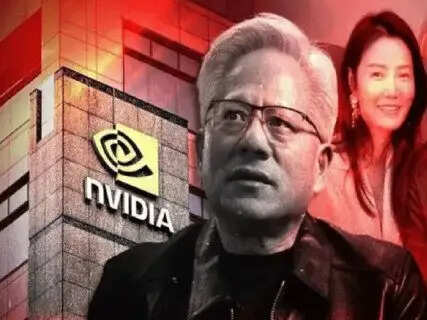
The modern geopolitical landscape is witnessing an unprecedented convergence of corporate power, technological supremacy, and state-backed espionage. Following the stunning high-profile resignation of former Nvidia CEO Jensen Huang amid investigations into an alleged relationship with a suspected operative linked to Beijing's intelligence apparatus, global scrutiny has intensified exponentially.While the corporate fallout shook Wall Street and Silicon Valley, intelligence agencies across North America, Europe, and the Indo-Pacific view the incident as a symptom of a much larger, systemic challenge. Governments worldwide are increasingly confronting what western security watchdogs describe as an expansive, highly integrated global intelligence network targeting sensitive technological, commercial, and military secrets.The Anatomy of Modern State-Backed EspionageFor decades, traditional state intelligence collection relied primarily on human intelligence (HUMINT) operating through diplomatic channels or classic spycraft. However, contemporary security reviews conducted by intelligence watchdogs—including Britain’s MI5, the United States Federal Bureau of Investigation (FBI), and European counterintelligence agencies—indicate a fundamental shift toward cyber-enabled collection, academic infiltration, and commercial-state integration.According to parliamentary watchdogs in the United Kingdom, China’s state security apparatus—anchored significantly by the Ministry of State Security (MSS)—has evolved into the world's largest government intelligence apparatus. Operating under administrative frameworks that integrate military, police, and party organs, the apparatus leverages commercial fronts, digital assets, and proxy networks to scale its intelligence gathering across multiple international borders simultaneously.Multi-Pronged Global Operations: From Tech Hubs to Sensitive BordersSecurity disclosures from various nations illustrate the diverse methodologies employed by intelligence networks worldwide:Targeting High-Tech Sectors: Western security agencies have repeatedly flagged attempts to cultivate experts in artificial intelligence, computer science, and aerospace engineering. In Europe, counterintelligence investigations have uncovered instances where foreign entities utilized fake consultancy firms, AI-generated profile imagery, and lucrative job offers to trap individuals holding security clearances and direct them toward encrypted communication channels.Academic Infiltration: Intelligence reports have highlighted sophisticated academic funding pipelines. For instance, British intelligence agencies revealed that numerous university academics across Western institutions unknowingly contributed to research projects funded by entities tied to foreign intelligence services, focusing heavily on dual-use technologies like AI and cybersecurity.Reconnaissance Near Strategic Infrastructure: In the Indo-Pacific, local authorities have reported suspicious surveillance operations near naval bases and strategic shipping lanes, utilizing advanced remote monitoring equipment to track troop movements and logistical supply chains.The Semiconductor Nexus and Technological RivalryThe intersection of state-backed espionage and commercial technology has become particularly pronounced within the semiconductor industry. Advanced microchips, graphics processing units (GPUs), and artificial intelligence accelerators are no longer merely commercial commodities; they represent the foundational infrastructure of modern economic and military power.The intense global race for dominance in AI hardware has turned technology executives, researchers, and policymakers into prime targets for foreign intelligence operations. Analysts note that as governments impose strict export controls and technological barriers to protect critical infrastructure, intelligence services are forced to deploy increasingly creative hybrid strategies—blending corporate networking, digital social engineering, and personal compromise to bypass institutional defenses.Beijing’s Official Stance and Counter-NarrativesIn response to these recurring allegations, Beijing has consistently dismissed western security claims as politically motivated smear campaigns. Chinese officials maintain that accusations of widespread espionage are frequently exaggerated or fabricated to justify protectionist technology export restrictions, maintain economic hegemony, and impose unfair trade barriers. Furthermore, Beijing argues that major global powers routinely utilize broad national security provisions and intelligence frameworks to protect their own strategic interests in an increasingly competitive multipolar world.Securing Open Societies in an Era of Great Power RivalryThe convergence of high-stakes corporate leadership crises and state-level security investigations underscores a permanent shift in how nations view technological interdependency. As open societies grapple with the realities of hyperconnectivity, protecting critical intellectual property requires a fundamental tightening of institutional due diligence, enhanced vetting for research collaborations, and rigorous corporate governance. Whether through tighter export controls or fortified internal security protocols, the lessons drawn from recent high-level controversies will profoundly reshape global trade, tech diplomacy, and national security policies for years to come.
