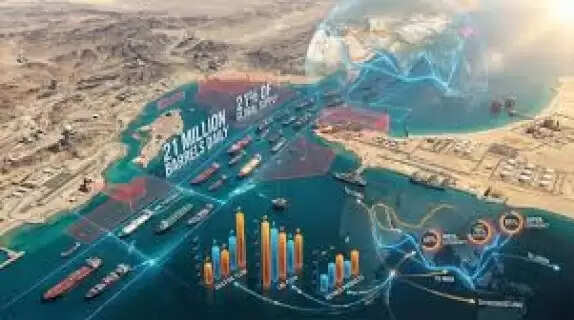
In a move that has sent shockwaves through global energy markets, Iran has once again announced the closure of the Strait of Hormuz. Citing "unacceptable interference" and provocative actions by the United States, the Iranian leadership has blocked one of the world's most critical maritime chokepoints, raising immediate concerns over international oil supplies and rising geopolitical tensions.The Trigger: Iran Accuses United States of AggressionThe decision to seal the strait follows a series of escalating verbal spats and naval encounters between Tehran and Washington. Iranian officials claim that the U.S. Navy has been conducting "unauthorized maneuvers" near their territorial waters. In a stern statement, the Iranian Revolutionary Guard Corps (IRGC) clarified that the closure is a direct response to American "bullying" and a necessary step to protect national sovereignty.Why the Strait of Hormuz Matters to YouThe Strait of Hormuz is the world's most important oil transit point. Even a temporary blockage can have a massive impact on your wallet:Oil Transit: Nearly 20-30% of the world's total oil consumption passes through this narrow waterway.Price Surge: Market analysts predict that if the blockage continues, global crude oil prices could skyrocket past $120 per barrel.India’s Concern: As a major oil importer, India could face a sharp rise in petrol and diesel prices, potentially impacting inflation.International Community on High AlertThe closure has triggered an emergency response from global powers. While the U.S. has warned Iran of "severe consequences" if the maritime flow is not restored, other nations are calling for immediate diplomatic intervention. Shipping companies have already started rerouting vessels, leading to increased freight costs and delayed deliveries of essential commodities.The Geopolitical Standpoint: What Happens Next?Tehran has signaled that the strait will remain closed until the U.S. withdraws its additional naval assets from the region. Military experts warn that any attempt to forcibly reopen the strait could lead to a full-scale conflict in the Middle East, a scenario that the global economy—still recovering from previous shocks cannot afford.
Around the web