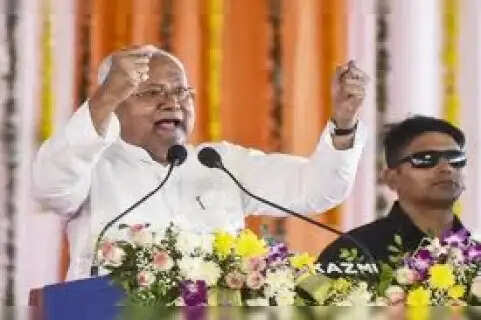
If you live in a city in Bihar, your next electricity bill might actually bring a smile to your face. The Bihar Electricity Regulatory Commission (BERC) has announced its decision for the upcoming financial year (2026-27), and the big takeaway is that urban consumers are in for a significant relief starting April 1, 2026.While the 125 units of free electricity announced last year continue to be a massive help, the government has now addressed what happens when you cross that limit.What’s changing for Urban Consumers?Until now, urban domestic consumers were billed on a multi-slab system where the rate increased as you used more power. From April 1, the government is merging these slabs.The Benefit: Urban domestic users will now see a reduction of up to ₹1.53 per unit on consumption beyond the free 125-unit limit.Why it happened: Power companies had actually proposed a 35-paise hike per unit. However, the commission found that the companies were in profit and instead decided to pass the benefit to the people by simplifying the rates.The "125 Free Units" Still ApplyIt’s important to remember that the core benefit hasn't changed. Under the Mukhya Mantri Vidyut Upbhokta Sahayata Yojana, the first 125 units of monthly consumption for all domestic consumers remain 100% free. This includes the energy charge, fixed charge, and electricity duty.If you use, say, 200 units:The first 125 units are zeroed out.You only pay for the remaining 75 units at the new, cheaper urban rate.Commercial and Rural ReliefIt’s not just homes getting a break. Small business owners are also getting some breathing room:Urban Commercial (Shops): Rates will drop by about ₹1.20 per unit.Rural Commercial: A reduction of roughly 42 paise per unit has been approved.The Bottom LineThis is a rare and welcome move where a state government has managed to keep the "free" promise alive while also lowering the costs for those who consume more. For an average urban household consuming around 200-225 units, this could result in a monthly saving of several hundred rupees.
Around the web