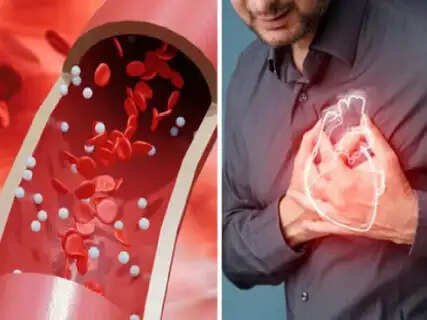
Microplastic pollution has breached a alarming new frontier in human health, moving beyond global oceans, drinking water, and atmospheric dust to settle inside human coronary arteries. According to a landmark study published by Italian medical researchers in the prestigious European Heart Journal, microscopic and ultrafine plastic particles are actively infiltrating the primary blood vessels that supply oxygen to the heart. Alarmingly, the clinical research demonstrates that cigarette smokers face a 6-fold higher risk of harboring microplastic contamination in their arterial blood compared to non-smokers, unveiling a dangerous mechanism through which smoking accelerates cardiovascular disease.Cigarettes As Vectors For Inhaled Plastic: How Ultrafine Fibers Breach The LungsWhile tobacco smoke is already known to contain thousands of toxic chemicals that cause arterial inflammation and blood clots, the study suggests that smoking acts as a high-velocity delivery mechanism for microplastics. Cigarette filters made from plastic-based cellulose acetate, combined with airborne synthetic fibers from clothing, tire wear, and degraded packaging, release microparticles into inhaled smoke. Researchers believe these ultrafine plastic particles easily bypass the lung's protective alveoli, entering the pulmonary bloodstream and circulating directly into the heart's coronary arteries far more rapidly than previously understood.Angiography Patient Findings: 84% Of Heart Attack Victims Test Positive For Plastic PolymersThe Italian clinical trial evaluated 61 patients undergoing coronary angiography, categorizing them into heart attack sufferers, chronic coronary artery disease patients, and individuals with healthy arteries. The results were startling: microplastic particles were detected in the blood of 84 percent of recent heart attack patients, compared to 40 percent in chronic heart disease patients and 32 percent in individuals with normal arteries. In contrast, non-smokers living in low-pollution environments exhibited microplastic blood presence in only 12.5 percent of cases, establishing a direct correlation between smoke inhalation, plastic accumulation, and severe cardiac events.High Inflammation Levels And Polyethylene Threats: The Growing Cardiovascular CrisisLaboratory analysis of the arterial blood samples identified polyethylene—the primary polymer used in single-use plastic packaging—as the most prevalent compound lodged within patients' cardiovascular systems. Patients with verified microplastic accumulation consistently exhibited elevated systemic inflammatory biomarkers, which accelerate fatty plaque buildup inside vessel walls. As environmental plastic degradation escalates worldwide, medical experts emphasize that microplastic inhalation represents an urgent global public health priority requiring immediate lifestyle interventions, particularly smoking cessation and reduced exposure to airborne synthetic particulates.
Around the web