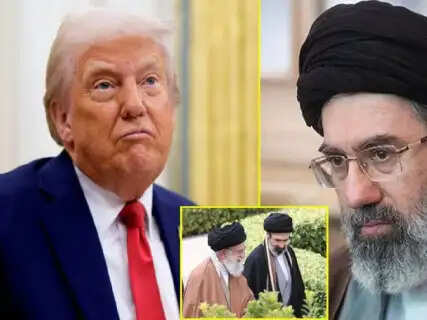
The geopolitical stability of the Middle East has entered a highly volatile phase as Iran’s newly appointed Supreme Leader, Imam Sayyed Mojtaba Khamenei, issued a fierce, uncompromising declaration of military and ideological retaliation. The high-stakes statement follows the high-profile funeral and burial rites of his father, the martyred leader Ayatollah Ali Khamenei. Coming immediately after a series of intense tactical missile exchanges between Iranian defensive batteries and Western-backed coalitions during the final moments of the funeral procession, Mojtaba Khamenei’s remarks have reignited immediate fears of an all-out global war, with the new leader explicitly vowing to exact absolute vengeance for the blood spilled.The Hussaini Ideology of the Islamic Revolution: Mojtaba Equates Father's Death to Martyrdom of KarbalaIn a deeply passionate and ideologically charged official address, Supreme Leader Mojtaba Khamenei framed the ongoing conflict through the historic lens of Islamic resistance. He asserted that the character, actions, and strategic vision of the late Ayatollah Ali Khamenei were entirely modeled after Hazrat Imam Hussain, the foundational figure of revolutionary resistance in Islamic history. Mojtaba stated that just as the historic call of Karbala echoed through generations to give birth to the 1979 Islamic Revolution of Iran, the unjust shedding of contemporary leaders' blood will serve as a permanent catalyst for the global Muslim community to rise against oppressive global regimes.Shaking the Foundations of Lies: New Leader Expresses Gratitude to Millions Across Iran and IraqAddressing the immense public mobilization during the state funeral, Mojtaba Khamenei extended his deep gratitude to the millions of citizens who filled the streets across major cultural and religious centers, including Tehran, Qom, Najaf, Karbala, and Mashhad. He described the historic, enemy-defeating public turnout as a clear demonstration of regional solidarity that effectively shattered the psychological warfare deployed by Western alliances. The leader emphasized that the spiritual echo of resistance has successfully spread across national borders from Iran to Iraq, fundamentally shaking the political foundations of foreign occupying forces.A Sacred Pledge of Retaliation: Iran Vows to Uphold Legacy Despite Donald Trump's Missile ThreatsDefying recent military threats from US President Donald Trump regarding a massive 1,000-missile strike, Mojtaba Khamenei delivered a formal oath of resilience on behalf of the Iranian nation. He declared that the country remains fully prepared to sacrifice its youth to defend its sovereign path and avenge the modern-day martyrs of the resistance block. Pledging absolute allegiance to the spiritual legacy of his predecessor, the new Supreme Leader stated that the armed forces and the citizenry will march firmly on the designated path without harboring any fear of economic sanctions or foreign military interventions, anchored entirely by their faith in divine promises.The Historic Significance of Hazrat Imam Hussain: The Ultimate Symbol of Bravery Against TyrannyTo contextualize the severe tone of the current Iranian leadership, it is essential to look at the historical legacy of Hazrat Imam Hussain, who remains the ultimate global symbol of justice against tyrannical oppression. Celebrated worldwide during the holy month of Muharram, Imam Hussain was martyred on October 10, 680 CE, in the desert of Karbala, Iraq. Refusing to validate the undemocratic and oppressive caliphate of Yazid, Imam Hussain and his 72 loyal companions chose to lay down their lives rather than surrender their core principles, creating an enduring historical blueprint that continues to dictate Iran's contemporary defense doctrine and foreign policy.
Around the web