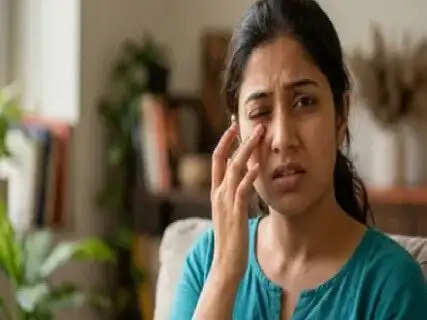
Suspense Crime, Digital Desk : Eye twitching is typically harmless, but when it becomes chronic, it is often medically identified as Benign Essential Blepharospasm (BEB). This condition, where both eyes blink or twitch involuntarily, is more prevalent among middle-aged and elderly women. While it is rarely a medical emergency, chronic twitching can interfere with your daily vision and comfort, eventually leading to structural changes like drooping eyelids, abnormal skin folds around the eyes, or increased sensitivity to light.The Hidden Triggers: From Lifestyle to DeficienciesBefore assuming the worst, evaluate your daily habits. Stress, extreme fatigue, and excessive caffeine intake are the most common culprits. However, your diet plays a massive role as well; a deficiency in Magnesium—often resulting from poor nutrition or the body's inability to absorb essential minerals—is a frequent driver of involuntary muscle spasms. If lifestyle adjustments don't bring relief, it is essential to consider that persistent twitching can sometimes be linked to broader neurological conditions, including:Brain or Nervous System Disorders: Conditions such as Parkinson’s disease, Multiple Sclerosis, or Bell’s palsy.Medical Complications: Hemifacial spasms, post-stroke recovery, or brain damage.Medication Side Effects: Specific prescriptions for mental health or mood management can occasionally cause muscle irritability.Recognizing the Warning SignsWhen should you stop ignoring the twitch and see a doctor? Keep an eye out for symptoms beyond the blink, such as intense eye irritation, extreme light sensitivity, or persistent dryness. Chronic cases can lead to physical complications, such as eyebrows shifting lower than normal or the eyelids folding in an unnatural manner. If you have a family history of such conditions, have suffered a previous head injury, or are currently on heavy medication, you should consult an ophthalmologist or a neurologist for a formal evaluation.Simple Steps to Regain ControlYou can often manage mild eye twitching by making minor, proactive lifestyle shifts. Start by capping your daily caffeine intake and ensuring you get 7–8 hours of restorative sleep to reset your nervous system. Prioritize stress management techniques like meditation, and always wear high-quality sunglasses when outdoors to protect your eyes from harsh glare. If the irritation persists, professional eye drops may help soothe the area, but if the twitching becomes severe or impacts your vision, do not delay seeking medical advice.
Around the web