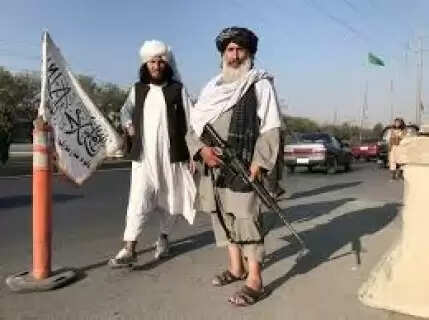
If you have been keeping an eye on the shifting politics in Afghanistan and the Middle East, you’ve probably noticed something unsettling. Recently, the headlines haven't just been about the Taliban or Western powers there is a new name being brought up in militant propaganda: China. Following high-profile attacks like the blast in Kabul that specifically targeted a hotel popular with Chinese businessmen, people are asking one big question why China?For a long time, the Islamic State (ISIS) was focused on Western nations or Russia. But the focus has shifted, and the reasons go deeper than just geography.The Xinjiang FactorOne of the primary reasons ISIS is vocalizing its hate for China revolves around the treatment of the Uyghur Muslim community in the Xinjiang region. While many nations talk about this through diplomatic channels or economic sanctions, ISIS uses it as a major recruitment tool. By attacking Chinese interests, the group tries to present itself as the "protector" of Muslims, criticizing the Taliban for being too friendly or "transactional" with Beijing.Economic Ambitions vs. Ideological HateChina has been very active in Afghanistan since the US withdrawal. They are looking at mineral wealth, infrastructure projects, and stabilizing the region for their Belt and Road Initiative. However, to a group like ISIS-K (the Khorasan branch), China is just another "imperialist" power coming in to exploit local resources.By targeting Chinese hotels and diplomats, the group is sending a clear message: You are not welcome here, and your money cannot buy security.Trying to Embarrass the TalibanThere is a heavy layer of local politics involved here too. The Taliban government is desperate for international legitimacy and investment, and China is one of the few major powers willing to talk to them. By attacking Chinese targets, ISIS-K is trying to show the world that the Taliban cannot actually provide the security they promise.It is a classic "spoiler" tactic. If ISIS can make the region too dangerous for Chinese engineers or investors, they effectively cut off the Taliban’s lifeline to external funding and stability.What This Means for the FutureThis shift in targeting is a huge challenge for Beijing. Unlike the US, China traditionally doesn't want to get involved in "forever wars" or put boots on the ground in foreign territories. They prefer to work through back-channels and business deals. But as their citizens come under direct fire, China is being forced into a very difficult corner. Do they pull out of Afghanistan, or do they get more deeply involved in the security mess they were trying to avoid?For the ordinary people living in these conflict zones, this new rivalry just means more uncertainty. The shift from "anti-West" rhetoric to "anti-China" attacks is a sign that the landscape of global terrorism is changing, and the consequences are being felt right now in the heart of Kabul.
Around the web