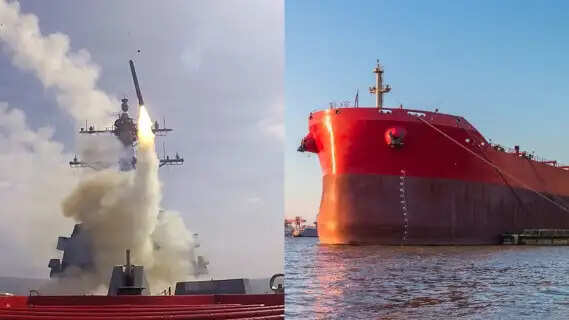
In a stunning move that has reverberated across global energy markets, Saudi Arabia has announced an unprecedented price cut of $11 per barrel for its primary crude oil shipments heading to Asia. This historic reduction is the kingdom's largest pricing markdown in the 21st century. The aggressive price recalibration by state-owned oil titan Saudi Aramco completely blindsided global market analysts, who had previously projected a maximum downward correction of around $8 per barrel.The Hormuz Effect: Supply Floods the Market After US-Iran De-escalationThe core driver behind this massive pricing collapse is the formal reopening of the strategic Strait of Hormuz. Following a decisive breakthrough in diplomatic negotiations, the prolonged geopolitical conflict between the United States and Iran has officially drawn to a close, leading to the immediate removal of maritime roadblocks. The sudden unlocking of this vital global choke point has unleashed a massive rush of oil back into international shipping lanes. Consequently, global benchmark Brent Crude plunged rapidly to $72 per barrel, marking its lowest valuation since February.Saudi Aramco Pivots Logistics as Ras Tanura Hub Roars Back to LifeTo cement its dominant market share in its largest consuming block, Saudi Aramco has discounted its signature "Arab Light" grade to $1.50 below the regional benchmark. During the peak of the recent military conflict, the kingdom had safely rerouted its logistics networks toward the Yanbu Port along the Red Sea to bypass the highly vulnerable Hormuz channel. With maritime security restored, Aramco has aggressively revived high-volume loading operations at its primary Persian Gulf export mega-terminal, Ras Tanura, successfully ramping export capacities back up to 90% of pre-war baselines.OPEC Plus Production Hike Triggers Fierce Global Market Share WarThe pricing reset aligns with an internal strategy shift within the OPEC cartel, led jointly by Saudi Arabia and Russia, which recently ratified a formal increase in production quotas slated to take effect from August. During wartime shipping closures, these higher output limits existed primarily on paper due to severe export bottlenecks. However, with active shipping lanes now fully operational, major state producers including Saudi Arabia, Iraq, and Kuwait are running their extraction infrastructure at maximum capacity. This sudden surge has triggered widespread industry fears of a severe global supply glut, forcing the kingdom to deploy extreme pricing discounts to lock in long-term Asian refinery contracts ahead of its rivals.
Around the web