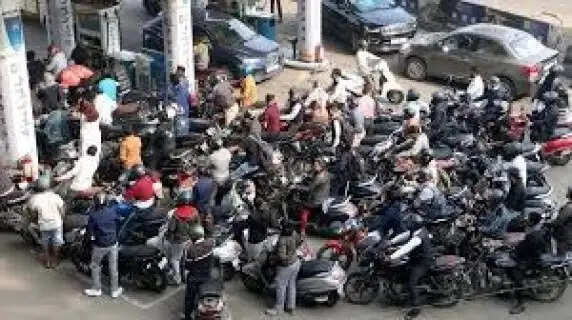
A wave of panic-buying has hit petrol pumps across Punjab as the escalation of the U.S.-Israel-Iran conflict triggers deep-seated fears of a looming fuel crisis. Since Tuesday, March 3, 2026, long queues of cars and motorcycles have been snaking out of filling stations in major cities like Ludhiana, Amritsar, and Jalandhar, as residents rush to "tank up" before prices skyrocket or supplies dry up.While the local administration insists there is no shortage, the memory of previous disruptions has left the public on edge.The "Strait of Hormuz" Effect: Why People are PanickingThe primary trigger for the panic is the strategic blockade of the Strait of Hormuz following recent military strikes in the Middle East.Global Supply Chain: About 40% of India's crude oil imports pass through this narrow chokepoint. Rumors on social media have suggested that the blockade will lead to an immediate dry-out of fuel stations.Price Hike Fears: With global crude prices jumping toward $90–$100 per barrel, many believe a massive hike in domestic petrol and diesel prices is inevitable in the coming days."Stock Up" Mentality: In many districts, people were seen carrying plastic bottles and cans to store extra fuel, despite warnings from the fire department about the extreme safety risks involved.The Reality Check: Is There a Real Shortage?The Government of India and the Punjab State Petroleum Dealers Association have issued a series of clarifications to calm the public:Sufficient Reserves: The Ministry of Petroleum has confirmed that India currently holds enough fuel inventory to meet domestic demand for 6 to 8 weeks, including strategic underground reserves.Rerouting Supplies: While the Hormuz blockade is a concern, officials noted that 60% of India's oil comes via alternative routes (like the Red Sea or from the USA/Russia) that remain operational.Control Rooms Active: A 24/7 war-room has been established in New Delhi to monitor the stock levels of every state, including Punjab, ensuring that supply tankers reach their destinations without delay.Ludhiana Exporters on High AlertWhile the common man worries about the commute, the industrial hub of Ludhiana is bracing for a different impact.Input Costs: Leading trade bodies (CICU) have warned that even if the fuel doesn't run out, the increase in freight and insurance costs due to the war will make manufacturing and exports significantly more expensive.Transportation Woes: If the panic-buying continues, it could create an "artificial shortage," where pumps run dry simply because they cannot be refilled as fast as people are consuming.
Around the web