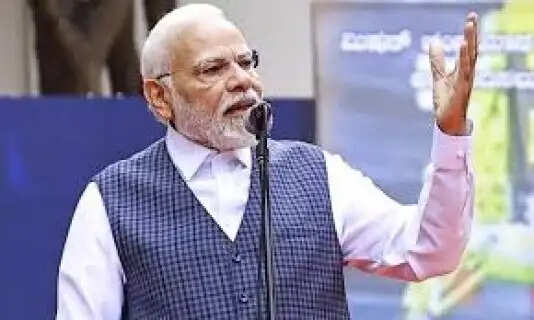
As the battle for West Bengal intensifies, Prime Minister Narendra Modi and the Bharatiya Janata Party (BJP) have placed the "Nari Shakti Vandan Adhiniyam" (Women’s Reservation Bill) at the heart of their electoral outreach. In a series of high-profile rallies across the state, including recent stops in Haldia and Cooch Behar, the PM has positioned the 33% reservation as a "Modi Guarantee" that will fundamentally transform the political landscape of Bengal. With the 2026 Assembly elections serving as a high-stakes test, the BJP is banking on this historic legislation to win over the crucial female voter demographic.Fast-Tracking Implementation: The Cabinet’s Bold MoveIn a significant development just days ago, the Union Cabinet cleared a draft bill to expedite the implementation of the Women’s Reservation Act. The new proposal suggests utilizing the 2011 Census data to redraw boundaries, potentially increasing the number of Lok Sabha seats to 816, with 273 reserved for women. This strategic move aims to bypass long procedural delays, signaling to voters in Bengal that the government is serious about delivering on its promises sooner rather than later. For the women of Bengal, this could mean a massive surge in representation in both the State Assembly and Parliament.Challenging the "Ma, Mati, Manush" NarrativeThe BJP’s aggressive push for women's empowerment is a direct challenge to the Trinamool Congress’s (TMC) long-standing dominance among female voters. While the TMC recently unveiled its manifesto with enhanced financial aid under the Lakshmi Bhandar scheme, PM Modi has countered with a focus on institutional empowerment and safety. By highlighting issues of law and order and the alleged ill-treatment of women under the current administration, the BJP is attempting to shift the narrative from "cash doles" to "legislative rights" and "dignified security."From Haldia to Bhabanipur: A 6-Point GuaranteeDuring his recent address in Haldia, the Prime Minister charted out a specific "six-point guarantee" for Bengal. Beyond the reservation bill, this includes a vow to weed out infiltrators, punish corruption, and ensure that every government employee receives the benefits of central schemes. The PM’s rhetoric suggests that the "Nandigram victory" from five years ago will be the blueprint for the 2026 polls, with a specific focus on capturing key urban and rural pockets where women’s safety has become a primary concern.The Impact on the 2026 Electoral MathWith the first phases of the West Bengal elections scheduled for late April 2026, the timing of these legislative updates is critical. The BJP is deploying its top leadership and a diverse set of woman candidates such as Smt. Savitri Barman in Sitalkuchi to demonstrate that the party is already walking the talk. If the BJP succeeds in consolidating the female vote through the Women's Reservation Bill, it could significantly disrupt the traditional voting patterns that have kept the TMC in power for over a decade.
Around the web