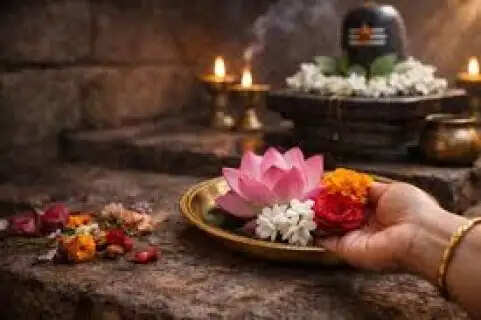
Flowers are considered the most beautiful and pure offerings in Hindu rituals. They symbolize devotion, fragrance, and the blooming of the soul. However, a common question often confuses devotees: Should flowers be washed with water before being offered to a deity? While hygiene is important, Vedic traditions and Shastras have specific guidelines that might surprise you.The Spiritual Significance of 'Freshness'In Sanatan Dharma, the purity of an offering (Prasad or Pushpa) is determined by its natural state. According to ancient scriptures, flowers should be offered in their most natural form. It is believed that the fragrance of a flower is its "soul," and washing it excessively can diminish its natural scent and vitality.Why You Should Avoid Washing FlowersAccording to many astrological and priestly traditions, flowers should generally not be washed with a heavy flow of water. Here are the primary reasons:The Fragrance Factor: Water can dampen the petals and wash away the delicate pollen, which carries the natural aroma that pleases the deities.The Concept of 'Baasi' (Stale): It is traditionally believed that once water touches a flower, its "shelf life" for a ritual decreases. In some traditions, washing a flower is equated to making it "stale" or "used."Delicacy: Many flowers like Jasmine or Hibiscus are extremely delicate; the force of water can damage the petals, making them unfit for a formal Puja.The Right Way to Clean FlowersIf the flowers are dusty or have small insects, you shouldn't just offer them as they are. Instead of putting them under a tap, follow this method:Sprinkling (Marjan): Gently sprinkle a few drops of Ganga Jal (holy water) or clean water over the flowers. This is considered a symbolic purification rather than a physical bath.Gentle Wiping: Use a clean, soft cloth to gently brush off any visible dust.Picking Time: The best way to ensure purity is to pluck flowers early in the morning after a bath, ensuring they are fresh and clean from the morning dew.Exceptions to the RuleWhile most flowers follow the "no-wash" rule, certain leaves used in worship, such as Bel Patra (Wood Apple leaves) or Tulsi (Basil), can be rinsed gently. Since these are often placed directly on the Shivalinga or offered to Lord Vishnu and are more durable than petals, a light rinse is acceptable to ensure no dirt is offered to the Lord.Key Takeaway for DevoteesDevotion (Bhaav) is the most important element of any ritual. While following these rules helps maintain the sanctity of the Vidhi, always ensure that the flowers you offer are not withered, infested with insects, or picked from the ground. Offer them with a clean heart, and they will surely be accepted.
Around the web