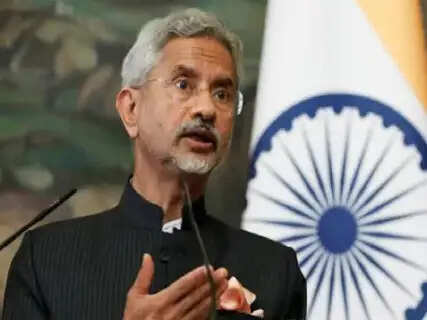
In a monumental diplomatic move aimed at cementing India's position on the global high table, External Affairs Minister S. Jaishankar is set to officially launch the nation's high-stakes campaign for a non-permanent seat on the United Nations Security Council (UNSC) for the 2028-29 term. Fresh off a highly successful West Asian diplomatic tour covering Qatar, Bahrain, Kuwait, and Oman from July 5 to 10, the Indian foreign policy architect is arriving in the United States. This strategic visit comes at a time when the world is grappling with severe geopolitical restructuring, positioning India as a crucial voice of stability and strategic neutrality in international relations.High-Profile UN Meeting Locked: Jaishankar to Confer with Secretary-General Antonio GuterresAccording to the official schedule released by the United Nations secretariat, S. Jaishankar will hold a high-level bilateral meeting with UN Secretary-General Antonio Guterres at the UN Headquarters in New York on Monday afternoon (local time). Following this exclusive dialogue, the External Affairs Minister will headline a special launch event on Monday to formally present India's vision, institutional capabilities, and foundational principles for the upcoming 2028-29 UNSC tenure to the global diplomatic community. Immediately after concluding his New York diplomatic itinerary, Jaishankar will fly to Brussels to co-chair the crucial 3rd India-EU Trade and Technology Council meeting on July 14-15, further strengthening India's bilateral framework with European and Belgian counterparts.The Battle for the Asia-Pacific Seat: India vs Tajikistan in Next Year's Landmark ElectionIndia last served with high distinction as a non-permanent member of the UN Security Council during the 2021-22 term, where its balanced leadership earned widespread international acclaim. The upcoming democratic elections for the 2028-29 term are officially scheduled to take place in June next year. The diplomatic contest has intensified as India and Tajikistan stand as the primary contenders locking horns for the single, coveted seat allotted to the Asia-Pacific group category. Diplomatic analysts suggest that India's expansive global footprints and deep engagements with the Global South make it a heavy favorite, though New Delhi is leaving no stone unturned to secure absolute consensus among the voting member nations.Navigating a Fractured World Order: India's Vision Amidst Global Conflict ZonesThe high-voltage UNSC election campaign unfolds in an incredibly turbulent global climate characterized by unprecedented structural vulnerabilities. The contemporary international community is actively dealing with complex multi-front crises, including the prolonged Russia-Ukraine war, the devastating Gaza humanitarian crisis, and the highly volatile escalation involving the United States, Israel, and Iran. By entering the UNSC arena at this critical juncture, India aims to advocate for comprehensive multilateral reforms, structured counter-terrorism protocols, and equitable global governance platforms, reinforcing its self-appointed role as a global peacemaker and a dependable partner for international security.
Around the web