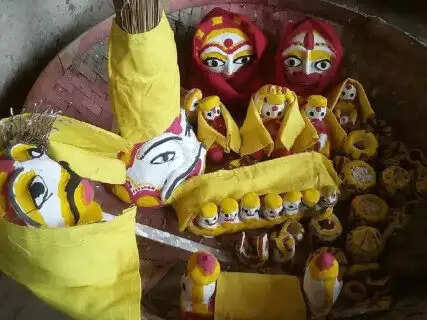
As the divine fervor of Chhath Puja concludes across the Gangetic plains, the cultural landscape of Bihar—particularly the historically rich Mithila region—transforms into a vibrant canvas of folk art, devotional songs, and ancient traditions. Among these, the festival of Sama-Chakwa stands out as a unique and poignant celebration dedicated entirely to honoring the sacred, unbreakable bond between brothers and sisters.Rooted deeply in regional folklore, seasonal agrarian cycles, and mythological narratives, Sama-Chakwa is much more than a cultural observance; it is a living theater of love, protection, victory of truth over falsehood, and social harmony.The Mythological Roots: The Legend of Sama and ChakevaThe origins of the Sama-Chakwa festival are traced back to ancient Puranic legends associated with Lord Krishna. According to mythology, Sama was the virtuous daughter of Lord Krishna, while her devoted brother was Chakeva.As the legend unfolds, a malicious courtier and gossiper named Chugala fabricated and spread vicious rumors to Lord Krishna, falsely claiming that Sama was involved in unrighteous behavior in the forest. Enraged by the slander without verifying the facts, Lord Krishna cursed his daughter, transforming her into a bird destined to wander the wilderness.However, the story does not end in tragedy. Driven by immense love, unwavering loyalty, and righteousness, Sama's brother Chakeva undertook severe penance and devotion to absolve his sister. Touched by the depth of sibling love and the exposure of the gossiper's treachery, Lord Krishna eventually restored Sama to her human form. The Sama-Chakwa festival is celebrated annually to commemorate this victory of familial devotion over malicious gossip, reinforcing the timeless vow that true love between siblings can conquer any curse.Artistic Expressions: Crafting Clay Idols and Vibrant BasketsThe celebrations begin annually on the seventh day of the bright fortnight (Shukla Paksha) of the Hindu month of Kartik, extending all the way to Kartik Purnima (the full moon night). Following the regional Mithila calendar, the festival commenced on Monday, November 16, 2026.Preparation for the festival is an artistic community affair. Women and young girls mold and paint small, colorful clay figurines representing the central characters of the legend:Sama and Chakeva: Depicted as celestial birds or human figures.Chugala: The embodiment of gossip and evil intent.Vrindavan, Batgamni, and local flora/fauna: Creating a complete pastoral scene of the forest where Sama once wandered.These handcrafted clay idols are meticulously decorated and placed inside beautifully woven bamboo baskets. Every evening, women gather in community courtyards or open fields carrying these baskets, singing soulful traditional folk songs (Bhagavata and Samada) while offering heartfelt prayers for the long life, health, and prosperity of their brothers.The Ritual of "Burning the Chugala’s Tongue" to Ward Off EvilOne of the most striking and dramatic rituals of the Sama-Chakwa festival is the symbolic punishment meted out to the gossiper, Chugala.During the evening gatherings, participants construct an effigy or clay model of Chugala, often decorated with thorns. In a powerful ritualistic display, women and sisters symbolically beat the Chugala statue with shoes and scorch its tongue using the flame of an earthen lamp.Beyond its dramatic flair, this ritual carries profound social symbolism. By publicly punishing the effigy of the gossiper, the community sends a collective message denouncing slander, backbiting, and malicious rumors that seek to create rifts within families and society. It reinforces the cultural value that untruths must be actively resisted and purged.Agrarian Blessings, Chuda Feasting, and the Grand FarewellBecause the festival coincides with the conclusion of the autumn harvest, agricultural prosperity plays an integral role in the celebrations. Sisters feed their brothers chuda (beaten rice prepared from newly harvested paddy crops), mixed with fresh yogurt and jaggery, symbolizing new beginnings, agricultural abundance, and sweet domestic harmony.On the final night of the festival, coinciding with Kartik Purnima, the culmination ritual takes place. The clay idols are ceremoniously immersed in a nearby pond or river. The farewell is conducted with the emotional warmth and traditional customs typically reserved for a daughter leaving her parental home after a wedding, complete with ritual gifts of sweets, garments, and blessings.Preserving Mithila’s Cultural Heritage for Future GenerationsThe Sama-Chakwa festival acts as a vital cultural anchor for the people of Bihar. It bridges ancient mythology with contemporary social values, teaching younger generations the importance of trust, clear communication, and unshakeable sibling loyalty. As women gather under the November moonlight to sing age-old melodies, they keep the heartbeat of Mithila’s glorious heritage alive, ensuring that the legacy of Sama and Chakeva endures through the ages.
