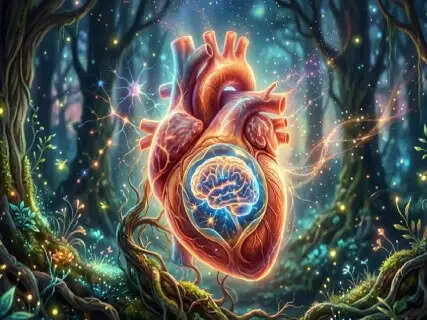
In a groundbreaking neuroscience and cardiology discovery, researchers from Yale University have revealed that the human heart possesses its own sophisticated, independent mini-brain capable of processing signals, regulating heart rate, and shielding the organ during high-stress conditions. Published in the prestigious scientific journal Cell, the July 2026 study demonstrates that the heart does not merely execute commands sent down from the main brain. Instead, an intricate intrinsic cardiac nervous system embedded directly within the tissue actively interprets local physiological data and makes real-time computational decisions to maintain life and prevent cardiac arrest.Unveiling Npy+ And Ddah1+ Neurons: The Twin Nerve Controllers Within Heart TissueUsing advanced genetic sequencing and animal models, the research team identified two distinct sub-types of nerve cells that form this internal cardiac control center: Npy+ neurons and Ddah1+ neurons. Laboratory tests revealed that Npy+ neurons function as the heart’s natural braking system; when activated, they safely slow down an overactive heart rate, whereas eliminating these cells led directly to severe heart failure. Conversely, Ddah1+ neurons act as a specialized defense shield. While dormant under normal restful conditions, Ddah1+ neurons activate instantly when the body faces sudden physical or physiological stress, preventing sudden cardiac collapse under high pressure.Revolutionary Implications For Human Cardiovascular Health And Stress MedicineAlthough the intrinsic cardiac nervous system represents only about 0.01 percent of cells in the heart's surrounding fatty tissue, its discovery mirrors how science previously identified the gut as the body's "second brain." Scientists confirmed that identical neuron subtypes exist within human heart tissue as well. Validating these exact functional roles in human clinical trials could completely transform modern cardiology, offering novel targeted treatments for arrhythmias, stress-induced heart conditions, hypertension, and heart failure by directly stimulating the heart’s localized nervous system.
Around the web