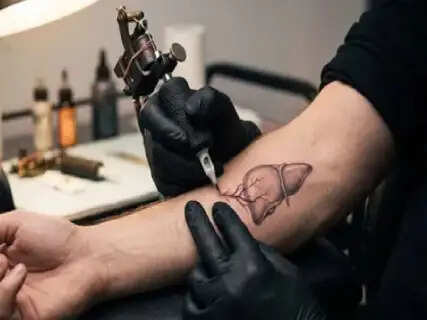
Body art has captured the imagination of modern generations, with tattoos and piercings serving as popular outlets for self-expression and personal style. While many assume that getting inked or pierced is a harmless aesthetic choice, medical experts warn that it carries severe hidden health risks. According to Dr. Manik Sharma, Senior Director of Gastroenterology, Hepatology, and Endoscopy at Max Super Speciality Hospital, Sector 128, Noida, this creative hobby can put your vital liver health in serious jeopardy if proper safety protocols are ignored.How Unsterilized Tattoo Needles Spread HepatitisThe primary danger linked to tattoos and body piercings stems from blood-borne viral infections like Hepatitis B and Hepatitis C, both of which directly target and damage the liver. When tattoo parlors or piercing studios reuse unsterilized needles, contaminated equipment, or fail to follow hygienic practices, the virus easily enters the human bloodstream. What makes this risk particularly alarming is that hepatitis symptoms can remain dormant for years. Consequently, the infection can silently destroy liver tissue without any noticeable warning signs, eventually progressing to severe medical complications like cirrhosis.Essential Safety Precautions Before Getting a Tattoo or PiercingTo protect your liver and overall health while pursuing body art, experts recommend following strict precautionary measures. Always conduct thorough research and choose licensed, professional studios with established reputations, strictly avoiding amateur setups at parties or homes. Inspect the artist's workstation closely to verify that they use brand-new, sterile needles, and never hesitate to ask direct questions about their sanitation procedures.Checking Ink Safety and Hygiene StandardsBeyond needles, you must pay close attention to how ink and studio hygiene are managed. Ensure that the tattoo ink is poured into a small, single-serve disposable cup rather than having the artist dip needles directly into a large, communal ink bottle, which can easily cross-contaminate the entire container. Additionally, always confirm that the artist washes their hands thoroughly and wears fresh, disposable gloves throughout the procedure. If you already have a tattoo or piercing and feel uncertain about the safety standards used, consult your physician for a routine hepatitis blood test to clear any doubts, keeping in mind that effective vaccines for Hepatitis B and successful treatments for Hepatitis C are readily available.
Around the web