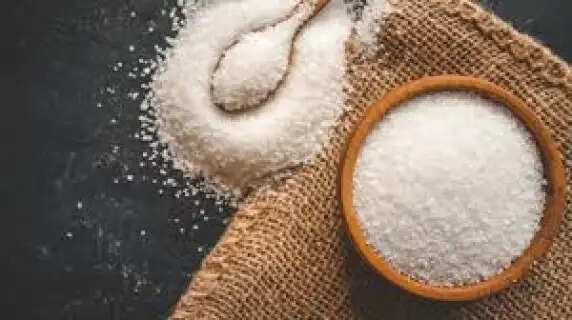
Salt is the soul of Indian cooking, but are you using it correctly? Leading nutritionists have sounded an alarm on two specific cooking habits that could be turning your healthy meals into a health hazard. According to recent clinical insights, improper salt consumption is a primary driver behind the rising cases of hypertension (High BP) and chronic kidney diseases in India, potentially leading to a lifetime of dependency on medication.Mistake 1: The 'Raw Salt' Sprinkle (The Silent Killer) Many people have a habit of adding extra raw salt to their cooked meals, salads, or curd. Nutritionists warn that uncooked salt is much harder for the body to process. When salt is cooked, its iron and iodine structure changes, making it easier to assimilate. Adding raw salt directly increases sodium levels in the blood rapidly, putting immense pressure on the arteries and the heart.Mistake 2: High-Heat Overcooking While salt needs to be cooked, over-processing it at extremely high temperatures for prolonged periods can also be detrimental. In many Indian households, salt is added at the very beginning of a long 'bhuna' (frying) process. Experts suggest adding salt towards the middle or end of the cooking process to retain its essential minerals without degrading its chemical composition into harmful by-products.The Hidden Salt in Processed Foods The report also highlights the danger of 'hidden salts' found in papads, pickles, and packaged snacks. These contain preservatives like sodium benzoate, which, when combined with your daily table salt intake, far exceeds the WHO-recommended limit of 5 grams (one teaspoon) per day.Healthy Alternatives to Consider To reduce the risk of lifelong medication, experts suggest:Replacing refined table salt with Rock Salt (Sendha Namak) or Himalayan Pink Salt in moderation.Using herbs, lemon juice, or dry mango powder (Amchur) to add flavor instead of extra salt.Rinsing canned vegetables to wash away excess brine.
Around the web