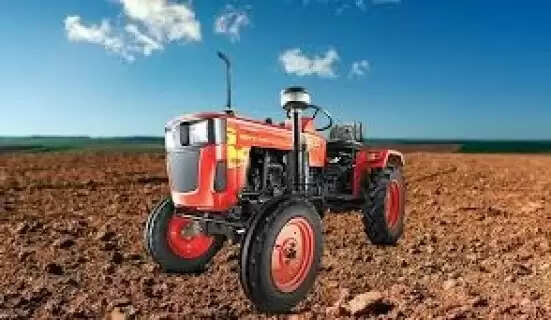
When we talk about the health of the Indian economy, we often look at stock markets or tech startups. But if you want to know what’s actually happening in the heart of the country, look at the tractor sales. A tractor isn't just a vehicle for an Indian farmer; it’s a lifeline, an investment, and often a source of family pride.The retail sales data for the current cycle is out, and it tells a very interesting story about which brands farmers are trusting with their hard-earned money.The Unstoppable LeaderIt probably won't surprise anyone that Mahindra remains the heavyweight champion. Whether it’s under the Mahindra name or the incredibly popular Swaraj brand, the group continues to hold a massive chunk of the market. Why? Because they’ve mastered the art of building machines that can handle the unpredictability of Indian soil. For many farming families, buying a "Swaraj" or a "Mahindra" is a multi-generational tradition that isn't easy to break.The Chasers: Sonalika and EscortsWhile Mahindra leads the pack, the competition is getting fierce. Sonalika (International Tractors) has been making serious moves, positioning itself as a high-tech yet affordable alternative. Their growth reflects a younger generation of farmers who are looking for more than just raw power—they want efficiency and better fuel savings.On the other hand, Escorts (known for brands like Farmtrac and Powertrac) is holding its ground, though it faces a tough battle in a crowded market. These brands are no longer just fighting on price; they are fighting on features like GPS tracking and better ergonomics.What Do These Numbers Tell Us?Sales numbers are more than just boring charts. They are a reflection of the monsoon, the availability of bank loans, and the general confidence of the rural population. When you see retail sales picking up for brands like John Deere or New Holland, it indicates that "mechanization" is moving into a more premium space. Farmers are now willing to pay extra for comfort and durability.However, it’s not all sunshine and rainbows. The market is witnessing a "selective growth" pattern. While some regions are booming with high demand, others are moving more slowly. This often boils down to how local governments are supporting agriculture and how much water is available for the next crop.The Bottom LineThe Indian tractor market is maturing. It’s no longer about who can sell the cheapest machine; it’s about who can provide the best service network and the most reliable engine. For companies like Mahindra and Swaraj, the challenge is to stay relevant to a new age of tech-savvy farmers, while for the newcomers, the goal is to win the trust that the "big names" have built over decades.One thing is certain: the roar of tractor engines in the villages is a sound that the entire country depends on. And right now, that roar is as loud and competitive as ever.
Around the web