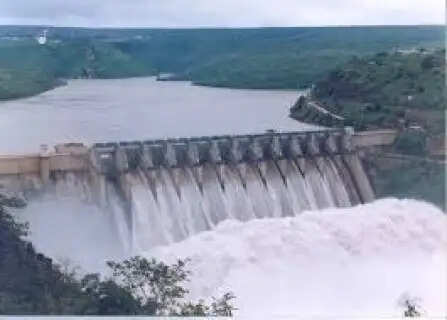
As the summer heat begins to deplete water levels across Western India, a more concerning issue has surfaced beneath the surface of Gujarat’s reservoirs. The State Dam Safety Organization (SDSO) has released a comprehensive report that identifies significant structural issues at 10 major dams across the state.While Gujarat relies heavily on these reservoirs for irrigation, drinking water, and power, the report suggests that without immediate intervention, these engineering marvels could become liabilities.The SDSO Findings: What’s Wrong?The SDSO inspection is part of a routine safety audit designed to ensure that the aging infrastructure can withstand the pressure of a full monsoon. The "red flags" raised in the report generally fall into three categories:Structural Cracks & Seepage: Several dams have shown signs of water seepage through the masonry or concrete, which can weaken the foundation over time.Siltation & Gate Malfunctions: In some reservoirs, heavy silt buildup has reduced capacity, while rusted or poorly maintained spillway gates pose a risk of failure during emergency water releases.Erosion of Embankments: Soil erosion at the edges of earth-fill dams has been noted, which could compromise the overall stability of the structure during heavy rainfall.Why This Matters NowWith the monsoon season just a few months away, the timing of this report is critical. A dam failure is not just an infrastructure loss; it is a catastrophic threat to downstream villages, agriculture, and urban centers.The report serves as a "Pre-Monsoon Warning," giving the state government and the Water Resources Department a narrow window to perform emergency repairs, reinforce embankments, and clear mechanical blockages in the gates.The "Aging Infrastructure" ChallengeMany of Gujarat’s dams were built several decades ago. While they were masterpieces of their time, the increasing frequency of extreme weather events—such as sudden cloudbursts and intense rainfall—places a higher "load" on these structures than they were originally designed to handle.The Government's ResponseThe Gujarat government is expected to allocate emergency funds for the "rehabilitation" of these 10 specific reservoirs. Under the national DRIP (Dam Rehabilitation and Improvement Project), several of these structures may undergo modern retrofitting to bring them up to current safety standards.The Bottom LineWater is life, but it must be contained safely. The SDSO report isn't a cause for panic, but it is a loud call for proactive maintenance. For the residents living downstream of these 10 reservoirs, the speed at which the government acts on these findings will determine how safely they sleep during the coming monsoon.
Around the web