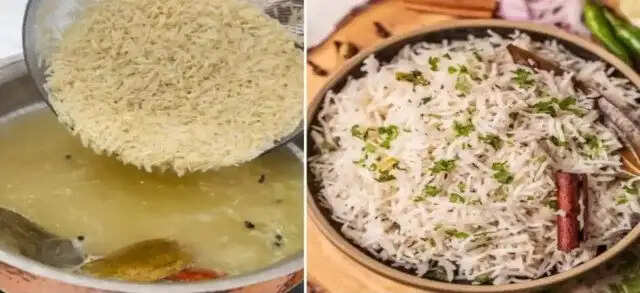
Stop serving sticky biryani! Learn the professional chef-approved secrets to cooking flawlessly fluffy, aromatic, and long-grained biryani rice at home. Discover the exact soaking times, water ratios, and aromatic oil tricks used by top restaurants.Biryani is universally celebrated as the ultimate crown jewel of Indian cuisine, but recreating that authentic, royal restaurant experience at home remains an elusive dream for many home cooks. The absolute defining factor of a world-class biryani is not just the rich masala or the tender meat—it is the texture of the rice. Every single grain of a perfectly executed biryani must be elongated, completely separate, aromatic, and beautifully fluffy (khila-khila), rather than clumping together into a mushy paste. If you have been struggling with sticky or broken rice grains, top culinary experts have shared their definitive, step-by-step master secrets to help you achieve flawless, restaurant-quality results in your own kitchen.The Foundation of Perfection Starts with Long-Grain Basmati and Strategic SoakingThe journey to an impeccable biryani begins at the grocery store. Chefs emphasize that you must strictly use premium quality, aged long-grain Basmati rice. Aged rice contains less moisture, which is the primary secret behind grains that stretch elegantly without breaking during the cooking process.Once you have the right rice, the cleaning and soaking process is where most beginners make critical mistakes. You must wash the raw rice gently under cold running water at least three to four times. This meticulous washing removes the excess surface starch, which is the absolute main culprit behind sticky, clumpy rice. After washing, soak the rice in ample water for exactly 30 to 45 minutes. Skipping the soaking process or over-soaking the grains will cause the rice to remain hard in the center or break apart instantly when boiled.The Boiling Mathematics: Water Ratio, Spices, and the Secret Acid KickTo cook rice like a professional chef, you must abandon the standard measured water-pot method and instead adopt the spacious drain method. Always boil your rice in a massive, heavy-bottomed pot filled with a generous amount of water—ideally five to six times the volume of the rice. This gives the grains maximum room to expand freely. While the water is heating up, infuse it with whole aromatic spices like green cardamom, cloves, cinnamon, black cumin (shahi jeera), and a bay leaf.Additionally, seasoned chefs rely on a secret chemical trick to lock in the starch structure and brighten the rice: add one teaspoon of fresh lemon juice or a few drops of white vinegar into the boiling water. The natural acidity ensures that the rice grains stay brilliantly white and naturally non-sticky. Do not forget to season the water heavily with salt; the boiling water should taste as salty as sea water, ensuring the rice absorbs flavor from the inside out.The Master Oil Trick and the Crucial 80 Percent Cooking RuleOne of the most effective, lesser-known tricks used in commercial Mughlai kitchens to guarantee perfectly separated grains is the oil intervention. Just as you drop the soaked rice into the rolling, boiling water, stir in a single tablespoon of cooking oil or pure clarified butter (ghee). This oil creates a microscopic, protective hydrophobic coating around each individual grain of rice, physically preventing them from sticking to one another even if they accidentally overcook.Finally, mastering the timeline is critical. Never cook your biryani rice completely to 100 percent in the boiling pot. Because the rice will undergo a final slow-steaming process (dum) along with the biryani gravy, you must drain the water when the rice is cooked to exactly 75 to 80 percent. When you press a grain between your thumb and index finger, it should break cleanly into three distinct pieces but still retain a firm, slightly raw core. Immediately strain the rice through a large colander and spread it out gently on a wide tray to stop the residual cooking process instantly. Follow these expert steps, and your homemade biryani will look and taste like it came straight out of a five-star kitchen.
Around the web