
Trauma Leaves Molecular Scars on Brain: New PTSD Study Findings
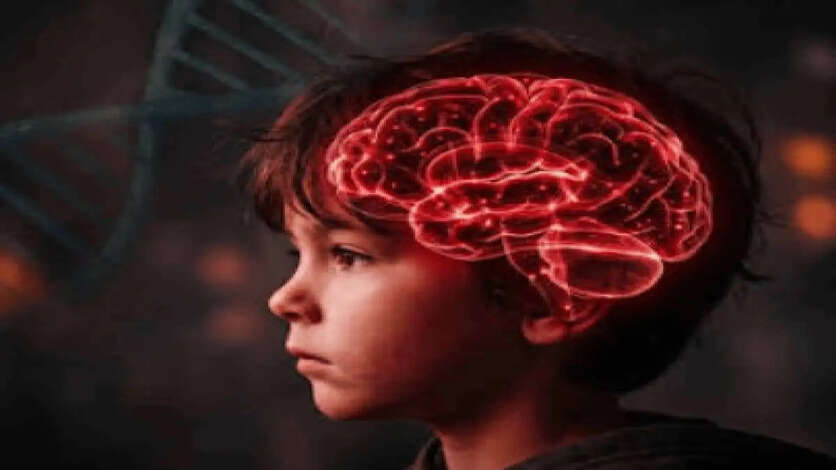
Surviving a terrifying accident, violent assault, or life-threatening crisis does far more than trigger lingering emotional distress—it leaves measurable molecular, cellular, and structural footprints across key regions of the human brain, according to landmark neuroscience research published in the peer-reviewed journal Cell Reports. Conducted by scientists from the University of Texas at Austin and Emory University School of Medicine—and co-authored by neuroscientist Frances A. Champagne—the study examined postmortem brain tissue from 302 individuals to map how post-traumatic stress disorder (PTSD) alters gene regulation differently than major depressive disorder (MDD). Rather than acting uniformly, DNA methylation—a natural epigenetic mechanism that functions like a biological "dimmer switch" to dial gene activity up or down—varied markedly across brain regions in people who lived with PTSD, while also differing by biological sex, ancestry/race, and whether trauma occurred in childhood or adulthood. For clinicians, mental-health researchers, trauma survivors, and families across northern India—including healthcare communities and readers in Lucknow and neighboring Uttar Pradesh cities such as Unnao, Kanpur, Prayagraj, and Varanasi, where road-accident trauma, acute stress reactions, and mental-health awareness are increasingly recognized as vital public-health priorities—these findings offer clearer biological insight into why PTSD affects individuals so differently and how future therapies could become far more personalized.
How Researchers Mapped 302 Brains Across Three Critical Regions
Unlike earlier studies that relied largely on blood samples or animal models, the research team analyzed donated human brain tissue from 302 individuals: 101 diagnosed with PTSD, 101 with major depressive disorder, and 100 without psychiatric diagnoses serving as controls. Within each brain, investigators profiled DNA methylation and cellular composition across three interconnected regions governing fear, memory, and executive control:
| Brain Region Analyzed | Primary Cognitive & Emotional Role | Key Finding in PTSD Brains (Cell Reports Study) |
| Prefrontal Cortex | Executive decision-making, impulse control, and top-down regulation of fear responses. | Showed the most pronounced DNA methylation differences in PTSD compared with controls, whereas MDD showed stronger methylation shifts in the amygdala. |
| Amygdala | Emotional processing hub responsible for threat detection and fear conditioning. | Exhibited a notable reduction in oligodendrocytes—specialized cells that build the insulating myelin sheath around nerve fibers—especially among people exposed to trauma in adulthood. |
| Hippocampus | Memory formation, contextual recall, and distinguishing past danger from present safety. | Showed region-specific epigenetic variation contributing to how traumatic memories persist as intrusive flashbacks or nightmares. |
Why PTSD Differs Biologically From Major Depressive Disorder
Because PTSD and depression frequently co-occur and are often treated with overlapping medications, distinguishing their underlying neurobiology has long been a challenge for psychiatry. Co-author Frances Champagne noted that DNA methylation patterns across brain regions were far more varied in individuals with PTSD than in those with major depressive disorder, and also showed substantial variation from one PTSD patient to another. Whereas depression tended to affect consistent gene sets centered in the amygdala, PTSD displayed distinct epigenetic signatures in the prefrontal cortex alongside loss of myelin-forming oligodendrocytes in the amygdala—helping explain why trauma can impair the brain's ability to quiet fear signals long after physical danger has passed.
Study Limitations and the Path Toward Personalized PTSD Care
Researchers cautioned that because the tissue was examined postmortem, the study establishes strong biological associations rather than proving whether methylation shifts directly caused PTSD or resulted from living with severe trauma. The authors also noted they lacked granular records on each donor's exact symptom types and severity. Even so, identifying distinct epigenetic and cellular markers—and validating whether blood-based biomarkers mirror these brain signatures—brings neuroscience closer to precision diagnostics and targeted treatments tailored to a patient's trauma history and biology.