
Trump Claims Iran Intensified Strikes, Warns of New Year Action
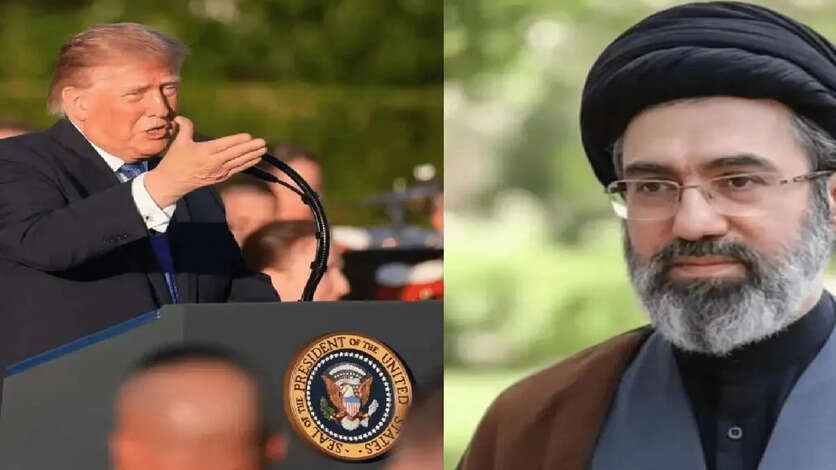
Escalating rhetoric between Washington and Tehran has sharpened global geopolitical and energy-market anxiety after US President Donald Trump asserted that Iran launched more drones and missiles over the past week than at any point in more than a year following the November 3, 2026 US midterm elections. Posting on his Truth Social platform on Sunday evening—and reinforcing his stance in remarks reported by Fox News—Trump linked the surge in Iranian military activity to the Democrats' midterm gains while warning that he is inclined to resume direct military strikes against Iran after the New Year (early 2027) if stalled diplomatic talks fail to produce a permanent agreement. For international observers, energy traders, and households across India—including readers and businesses in Uttar Pradesh cities such as Unnao, Kanpur, Lucknow, Prayagraj, and Varanasi, where shifts in crude oil prices and Persian Gulf shipping lanes directly affect fuel costs, remittances, and import bills—the standoff carries major economic stakes alongside its strategic weight.
What Trump Said About Iran's Escalation and the US Midterm Elections
In his Truth Social post, Donald Trump revisited two warnings he claimed to have issued ahead of the November 3 midterm elections, in which Democrats captured majorities in Congress. Trump wrote that he had predicted both a substantial downturn in stock markets and heightened aggression from Tehran if Democrats prevailed, arguing that both scenarios were now playing out.
Referring to the Iranian government—which he accused of killing 81,000 protesters—Trump stated that Iran had fired more drones and missiles over the past seven days than at any time in over a year. He quickly sought to reassure Americans and regional allies that US and allied air defenses had intercepted every incoming projectile without damage, while contending that Iranian leaders view Democrats as weak and ineffective. Expressing frustration over the election outcome, Trump called the vote "very 'strange'" and remarked that voters had failed to recognize the geopolitical consequences before casting their ballots.
Accusations Over Global Oil Prices and the Strait of Hormuz
Alongside military claims, Trump accused both the Democratic Party and Iran of attempting to keep global crude oil prices artificially elevated ahead of the November vote, asserting that oil prices had dropped by a record margin once the election concluded. His remarks come amid heightened maritime friction in the Persian Gulf and the Strait of Hormuz, where US naval forces have enforced a blockade on Iranian ports while commercial tankers have faced renewed attacks.
A day earlier, Iranian Foreign Minister Abbas Araghchi indicated that Tehran could facilitate the reopening of normal transit through the Strait of Hormuz if Washington honored earlier commitments and accepted reasonable terms under international law. Incoming House Democratic leader Hakeem Jeffries, meanwhile, criticized the administration's handling of the conflict, stating on Sunday that Democrats would push to wind down what he termed a costly confrontation driving up fuel and food costs for American families.
'Professional Tap Dancers': Trump's New Year Ultimatum on Talks
Although regional mediators—including Egypt, Qatar, Turkey, Saudi Arabia, and Pakistan—are actively working to keep indirect diplomatic channels alive between Washington and Tehran, Trump voiced deep impatience with the pace of negotiations in comments carried by Fox News. Branding Iranian negotiators "professional tap dancers" who talk endlessly without making binding concessions, the US President signaled that his patience has a firm deadline:
-
Conditional Post-New Year Strikes: Trump stated he is "inclined" to launch fresh military strikes on Iran after the New Year if Tehran refuses to sign a strong, verifiable agreement.
-
Warning to Iranian Oil Tankers: Issuing a stark naval threat, Trump declared that if Iranian tankers attempt to test or breach the US blockade, "they will all be at the bottom of the sea, like Iran's navy".
| Key Issue | President Trump's Position | Tehran & Regional Diplomatic Stance |
| Recent Military Activity | Claims Iran fired the most drones and missiles in over a year, all intercepted without damage. | IRGC claimed retaliatory strikes on regional positions while denying wider escalation. |
| Status of Negotiations | Calls Iranian envoys "professional tap dancers" stalling talks; threatens action after New Year. | FM Abbas Araghchi and Deputy FM Kazem Gharibabadi maintain indirect diplomacy remains open. |
| Oil & Maritime Blockade | Vows to sink any Iranian tanker challenging the US blockade; cites post-election drop in oil prices. | Links Strait of Hormuz reopening to lifting sanctions and respecting prior commitments. |
Why the Washington–Tehran Standoff Matters Globally and in India
While both sides continue signaling that a narrow window for diplomacy exists before January 2027, any miscalculation around the Strait of Hormuz—through which roughly a fifth of the world's seaborne petroleum passes—carries immediate consequences for global inflation, shipping insurance, and currency markets. For major energy-importing economies like India, sustained calm in Gulf sea lanes remains vital not only for stable petrol, diesel, and industrial input costs across states like Uttar Pradesh, but also for the safety and livelihoods of millions of Indian expatriates working across West Asia.