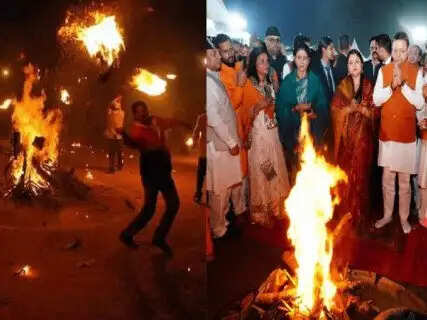
While mainstream Diwali celebrations conclude with grand fireworks, sweets, and familial gatherings across the country, a unique and deeply traditional counterpart unfolds weeks later in the rugged, picturesque terrain of Uttarakhand. Known locally as Budhi Diwali or Igas Bagwal, this vibrant festival is celebrated precisely eleven days to a month after the primary festival of lights.Rooted in ancient folklore, historical accounts, and distinct regional practices, Budhi Diwali is much more than a delayed celebration—it is a proud living marker of Himalayan culture, community unity, and ancestral heritage.The Mythological Link: Lord Rama’s Return and Mountain CommunicationThe origins of Budhi Diwali are woven into several popular regional legends, the most prominent of which connects back to the Treta Yuga and the epic Ramayana. According to folklore, when Lord Shri Ram successfully vanquished Ravana, completed his fourteen years of exile, and returned triumphantly to Ayodhya, the entire kingdom rejoiced with earthen lamps.However, in ancient times, the mountainous topography and remote geographical isolation of the Himalayan regions meant that modern means of communication were non-existent. Word of Lord Rama's triumphant return took nearly eleven days to an entire month to traverse the difficult mountain trails and reach the distant villages of Uttarakhand.By the time the news finally echoed through the valleys, standard Diwali festivities had long concluded in the plains. Undeterred, the overjoyed hill residents considered the exact day they received the message to be their true day of celebration. They lit lamps, sang traditional ballads, and feasted with immense fervor. This spontaneous expression of joy established an enduring annual tradition known ever since as Budhi Diwali (Old Diwali) or Igas.Historical Folklore: The Valor of Madho Singh BhandariBeyond the Ramayana narrative, another powerful local legend ties the festival to historical valor in the Garhwal region. Oral histories recall the heroic military campaigns of Madho Singh Bhandari, a celebrated commander from the 17th century under the Garhwal kingdom.According to lore, when Bhandari and his troops marched away on an extended military expedition to Tibet, families back home awaited their return. As the main Diwali season arrived, the soldiers had not returned, plunging villages into anxiety, and preventing any celebratory atmosphere. Weeks later—shortly after standard Diwali had passed—the victorious army triumphantly marched back home. The double joy of their safe return and victory prompted villagers to illuminate their homes and celebrate a delayed festival, cementing the tradition across generations.How Budhi Diwali is Celebrated Across the HillsBudhi Diwali is typically observed over multiple days with distinct rituals that highlight the unique lifestyle of mountain communities:The Bhailo Ritual: One of the most spectacular and anticipated customs of the festival is playing Bhailo. Villagers bundle together dry pine wood (chir pine) and grass to craft torches. After dark, these torches are lit and swung in rhythmic circular motions in open courtyards, symbolizing the ultimate triumph of light and warmth over the dark, freezing Himalayan nights.Folk Music and Traditional Dances: Communities gather around communal bonfires to the rhythmic beats of traditional instruments like the dhol and damau. Folk songs recounting legendary tales and regional history echo through the night air as villagers join hands in energetic group dances.Cattle Worship and Feasts: In many agrarian pockets, cattle are bathed, decorated with flower garlands, and fed special grains to honor their invaluable role in mountain farming and rural survival. Families also prepare and share seasonal winter delicacies, sweets, and puffed rice treats (muda) with neighbors.As younger generations embrace these age-old customs both within native villages and urban diaspora communities, Budhi Diwali continues to stand resiliently as a brilliant celebration of Pahadi identity, unity, and shared cultural memory.
Around the web
