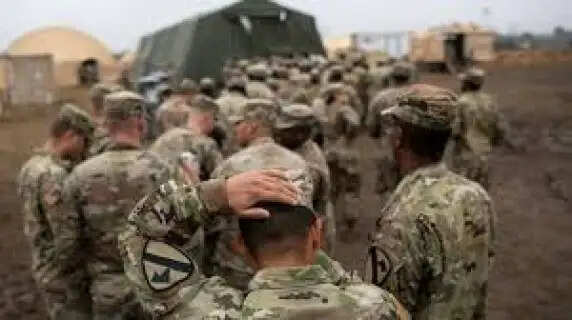
In a significant move that highlights the growing pressure on the United States military, the Pentagon has introduced sweeping changes to its recruitment policies. As global geopolitical tensions rise, particularly concerning the Middle East and Iran, the U.S. Army is facing a historic shortfall in enlistment numbers. To bridge this gap, authorities are now relaxing certain entry requirements that were once considered non-negotiable, aiming to attract a broader demographic of young Americans to join the ranks.Relaxing Rules on Tattoos and Medical HistoryOne of the most notable shifts in the new recruitment strategy involves the relaxation of rules regarding physical appearance and past medical conditions. The U.S. military is now more lenient toward visible tattoos—excluding those on the face or those with offensive messaging—and is reconsidering certain mental health histories, such as ADHD, provided the candidate has been stable for a specific period. These changes reflect a pragmatic approach to a modern generation where such factors are increasingly common and no longer seen as automatic disqualifiers for service.The "Iran Factor" and Global Security PressuresThe timing of these policy changes is not coincidental. With the persistent threat of conflict involving Iran and the ongoing need to maintain a strong presence in various global hotspots, the U.S. Department of Defense is prioritizing "readiness" over rigid traditionalism. The military's inability to meet its recruitment goals in recent years has raised concerns about national security. By widening the funnel of eligible candidates, the Pentagon hopes to ensure that the U.S. remains prepared for any sudden escalation in international hostilities.Digital Transformation and Incentives for New RecruitsBeyond physical and medical criteria, the U.S. Army is also ramping up its digital outreach and financial incentives. Enlistment bonuses have reached record highs, and the military is leaning heavily into "e-sports" and social media marketing to resonate with Gen Z. While critics argue that lowering standards could impact discipline, military leaders maintain that these "evolved standards" are necessary to build a force that reflects the current reality of the American population while maintaining the world's most advanced fighting force.
Around the web