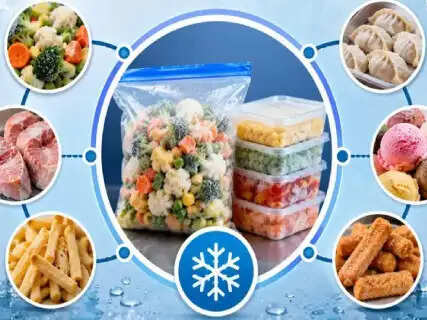
The modern lifestyle's heavy reliance on convenience eating has triggered a massive global health debate following a landmark lawsuit in the United States. An 18-year-old young man has legally targeted 11 major international food corporations after alleging that his lifelong consumption of ultra-processed and frozen foods caused him to develop severe medical conditions, including type-2 diabetes and fatty liver, at the tender age of 16. This unprecedented legal action has forced consumers and health experts worldwide to re-examine the hidden dangers lurking inside packaged, ready-to-eat supermarket meals, while also raising urgent questions regarding the safety and rapid expansion of the frozen food industry in developing markets like India.The Shocking Diagnosis That Inspired A Historic LawsuitThe alarming case came to light when 16-year-old Bryce Martinez from Pennsylvania experienced sudden, sharp chest pains that initially mimicked an asthma attack. Upon medical evaluation, school health officials discovered alarming vital signs, leading to immediate hospitalization where doctors delivered a devastating diagnosis: advanced type-2 diabetes and fatty liver disease. Reflecting on his upbringing, Martinez realized that his daily diet from early childhood heavily featured packaged items—ranging from sugary breakfast cereals to fast-food pizzas, burgers, and microwave-ready meals. Driven by a desire for accountability, he filed a personal injury lawsuit against industrial giants including Kraft Heinz, PepsiCo, Coca-Cola, and Nestlé USA, alleging that aggressive marketing of nutrient-deficient, additive-laden foods to children severely compromised his long-term health.Rapid Expansion Of India's Frozen Food Market And Changing LifestylesAs the legal battle unfolds in the US, public health analysts are turning their gaze toward India, where the frozen food sector is experiencing a phenomenal boom. Driven by fast-paced urban lifestyles, time constraints among working couples, and the instant delivery convenience of modern e-commerce platforms, products like frozen momos, French fries, chicken nuggets, kebabs, and ready-to-cook snacks are rapidly transitioning from occasional party items into daily household staples. Industry reports project that India's frozen food market will expand at a robust average annual growth rate of 14.5 percent through 2035, supported by massive infrastructural investments in cold-chain logistics by the Ministry of Food Processing Industries.Understanding The Balance Between Convenience And Nutritional SafetyNutritionists and food industry experts clarify that freezing technology itself is not inherently dangerous, as modern freezing techniques effectively lock in natural freshness without always requiring harmful chemicals. However, the core hazard arises when diets become heavily saturated with ultra-processed products packed with excessive sodium, refined sugars, unhealthy fats, and chemical preservatives. While enjoying frozen snacks occasionally in moderation poses minimal threat, making them a primary daily dietary staple significantly elevates the long-term risk of childhood obesity, metabolic disorders, and chronic conditions like type-2 diabetes. Experts advise consumers to carefully check nutrition labels, monitor sodium and sugar content, and prioritize fresh, home-cooked meals to safeguard long-term health.
Around the web