
What Did PM Modi Gift Balendra Shah? Ramayana Art & Kashi Gangajal
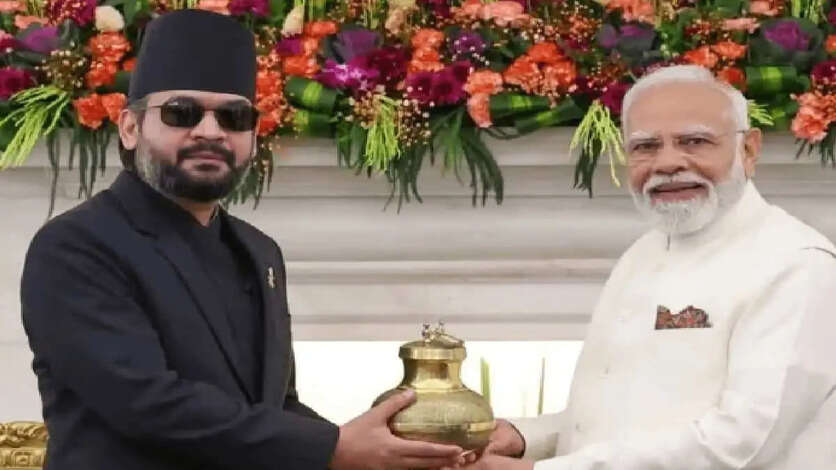
During bilateral talks in New Delhi on Monday, November 23, 2026, Prime Minister Narendra Modi presented his Nepalese counterpart Balendra Shah with a curated set of traditional Indian gifts that spotlight centuries-old spiritual, cultural, and artisanal links between India and Nepal. According to official sources, the gifts comprised a hand-painted Kalamkari Sampoorna Ramayana painting crafted in Andhra Pradesh's Srikalahasthi tradition, a fine Banarasi brocade silk stole housed inside a decorative wooden presentation box, and sacred Gangajal from Varanasi carried in an engraved brass urn. Rather than functioning as routine diplomatic protocol items, each object was selected to reflect shared sacred geography—connecting Ayodhya with Janakpur and Kashi with Kathmandu—while celebrating India's living regional handicrafts. For readers, pilgrims, and cultural observers across northern India—including households in Lucknow and neighboring Uttar Pradesh cities such as Ayodhya, Varanasi, Kanpur, Unnao, and Prayagraj, which share direct cultural, religious, and family ties with Nepal—the symbolic gesture underscores how shared heritage remains a cornerstone of India-Nepal engagement.
Inside the Three Gifts Presented to Nepal PM Balendra Shah
Each gift presented by Prime Minister Narendra Modi pairs traditional Indian craftsmanship with civilizational symbolism shared across the border:
| Gift Presented to PM Balendra Shah | Artisanal Origin & Craftsmanship | Cultural & Bilateral Meaning |
| Kalamkari Sampoorna Ramayana Painting | Hand-painted on cotton cloth using a bamboo pen (kalam) and natural vegetable/mineral dyes in the Srikalahasthi style of Andhra Pradesh. | Traces major milestones of Lord Rama's life—from birth and forest exile to victory over Ravana and return to Ayodhya—honoring the spiritual bridge between Ayodhya and Janakpur (revered as the birthplace of Mata Sita). |
| Banarasi Brocade Silk Stole | Handwoven by master weavers in Varanasi (Uttar Pradesh) and presented inside an intricately crafted wooden box. | Showcases Kashi's celebrated silk-and-zari weaving heritage alongside fine Indian woodworking artistry. |
| Sacred Gangajal in a Brass Urn | Drawn from the River Ganga near Kashi Vishwanath Temple in Varanasi and enclosed in a traditional brass vessel. | Symbolizes the sacred bond linking Baba Kashi Vishwanath in Varanasi with Lord Pashupatinath in Kathmandu, conveying wishes for peace, prosperity, and spiritual harmony. |
Srikalahasthi Kalamkari Art and the Ayodhya–Janakpur Heritage Link
The Sampoorna Ramayana painting created in the Srikalahasthi school of Kalamkari exemplifies a narrative textile tradition passed down across generations in Andhra Pradesh. Painted freehand on cotton using a sharpened bamboo pen and natural dyes, the visual panel chronicles key episodes from Lord Rama's journey—from his birth and exile to his triumph over Ravana and return to Ayodhya. In the context of India-Nepal ties, the artwork carries immediate emotional and cultural resonance, linking Ayodhya, revered as Lord Rama's birthplace, with Janakpur in Nepal, celebrated as the maternal home of Goddess Sita.
Banarasi Weaving and Kashi Gangajal: Linking Vishwanath and Pashupatinath
Alongside the Kalamkari scroll, Prime Minister Modi gifted a Banarasi brocade stole presented in an ornate wooden box—highlighting the intricate zari craftsmanship of Varanasi's master weavers—and Gangajal collected near the Kashi Vishwanath Temple in a brass urn. In Hindu spiritual tradition across both nations, Baba Vishwanath of Kashi and Lord Pashupatinath of Kathmandu represent two deeply revered seats of Lord Shiva. By pairing Kashi's sacred Ganga water with Banarasi silk and a Ramayana scroll, the presentation placed shared faith, cultural continuity, and neighborly goodwill at the forefront of Balendra Shah's New Delhi visit.