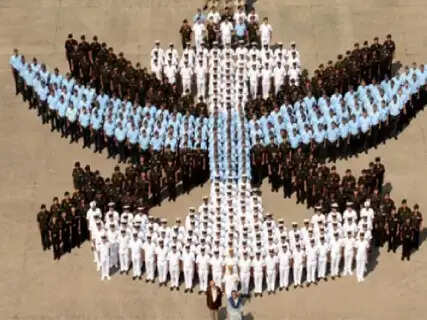
After lingering in the domain of inter-service committees, policy seminars, and administrative files for over two decades, India’s ambitious military integration strategy—the "Theater Command" plan—is finally approaching practical implementation. As the national defense apparatus gears up for its most profound structural transformation since independence, the newly appointed Chief of Defence Staff (CDS), General NS Raja Subramani, is slated to submit the comprehensive and finalized blueprint of this historic reform directly to Defence Minister Rajnath Singh following the Kargil Vijay Diwas commemorations in late July. This transformative shift aims to permanently bridge the operational divides between the Indian Army, the Indian Air Force, and the Indian Navy, forging a cohesive and lightning-fast joint warfighting capability.Understanding the Shift from Separated Forces to Unified CommandTo appreciate the gravity of this impending military evolution, one must examine the legacy structures currently governing India's armed forces. Historically, the Army, Navy, and Air Force have operated as distinct, compartmentalized entities, each maintaining isolated training infrastructure, separate strategic doctrines, and independent operational planning mechanisms. In moments of national crisis or active hostilities, these three branches have relied on ad-hoc coordination rather than organic integration—a limitation starkly highlighted during high-friction border standoffs where service chiefs had to synchronize responses from a makeshift war room environment. The theater command model replaces this fragmented approach by merging the collective manpower, aerial assets, naval fleets, and technological resources within a specific geographical theater under the singular authority of a designated four-star commander, whose rank will match the existing service chiefs.The Proposed Structure: Northern, Western, and Maritime CommandsAccording to the foundational structural outlines prepared by defense planners, the nation's operational landscape will be reorganized into three distinct, specialized theater commands tailored to distinct strategic frontiers. The Northern Theater Command is projected to anchor defensive and offensive postures along the critical and rugged China border, the Western Theater Command will streamline operations addressing the Pakistan frontier, and the Maritime Theater Command will assume centralized oversight for protecting India's extensive coastline, island territories, and vital maritime trade routes spanning the Indian Ocean Region. Empowering a single operational commander to direct land, sea, and air elements concurrently eliminates bureaucratic delays and ensures that battlefield decisions are executed in real time across multi-domain spectrums, including modern electronic warfare and cyber defense.Overcoming Jurisdictional Hurdles and Implementing the ReformExecuting the largest military restructuring in modern Indian history naturally involves complex negotiations over institutional jurisdiction, resource distribution, and command authorities. The primary structural debate centers on the division between force generation and force application—determining how recruitment, specialized training, and hardware procurement managed by the traditional service headquarters interface with the operational deployment powers vested in the new theater commanders. With discussions now entering their final conclusive phases, the armed forces stand on the threshold of a unified future, ensuring that India fights future conflicts not as separate services, but as a single, indivisible national security instrument.
Around the web