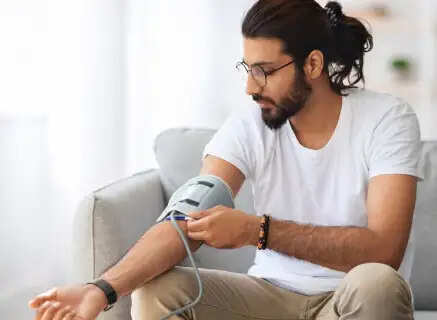
A sudden, unexpected fluctuation in blood pressure levels frequently triggers immediate panic, causing many individuals to blindly consume unprescribed medications or rush to emergency rooms unnecessarily. Experiencing symptoms like a heavy head, severe anxiety, blurred vision, or acute dizziness instantly raises alarm bells regarding a potential cardiovascular shift. However, medical experts suggest that a calculated approach can prevent serious health complications. Dr. Mayank Singh, a renowned medical expert from the prestigious Medanta Group, advises that instead of panicking, it is absolutely vital to evaluate the clinical situation accurately and execute the right emergency interventions to stabilize the patient safely.Protocol For Sudden High Blood Pressure: The Triple Check Rule And Immediate Lifestyle AdjustmentsWhen individuals suspect a sudden spike in their hypertension levels, relying on a single reading from a digital monitor can be highly misleading. Dr. Mayank Singh recommends executing the mandatory triple-check rule, which involves measuring the blood pressure three separate times at precise 15-minute intervals. If the reading remains consistently elevated across all three checks, only then is it classified as a true hypertensive episode. It is crucial to understand that temporary spikes are frequently triggered by underlying fever, acute mental stress, sudden anxiety, or localized physical pain, meaning not every high reading indicates an immediate medical crisis. For long-term management, patients prone to frequent spikes should commit to a disciplined 45-minute daily brisk walk to naturally regulate vascular health. Dietary habits must be overhauled instantly by drastically reducing fried and oily foods, integrating lean protein sources, severely limiting sodium intake, and practicing daily mindfulness meditation to successfully neutralize stress hormones.Protocol For Sudden Low Blood Pressure: Identifying True Hypotension Risks And Lifesaving First AidConversely, an unusually low reading on a blood pressure monitor does not automatically signal a clinical emergency. According to the Medanta Group medical directive, many individuals naturally maintain a baseline blood pressure of $90/60\text{ mmHg}$ or slightly lower; if they remain entirely asymptomatic and energetic, this baseline is considered perfectly healthy rather than a systemic disease. True, dangerous hypotension manifests through profound physical weakness, persistent dizzy spells, or sudden fainting episodes. If an individual collapses or experiences severe dizziness, the immediate first responder protocol requires checking their respiratory stability and tracking their pulse rate. If the breathing pattern is stable, the individual must be placed gently on their side in a recovery position to maximize blood flow and allowed to rest in a well-ventilated space. Once the patient fully regains consciousness and displays physical stability, they should be given fresh water followed by a small, easily consumable sweet snack to restore immediate glycemic balance, immediately followed by a professional medical consultation to diagnose the root trigger.
Around the web