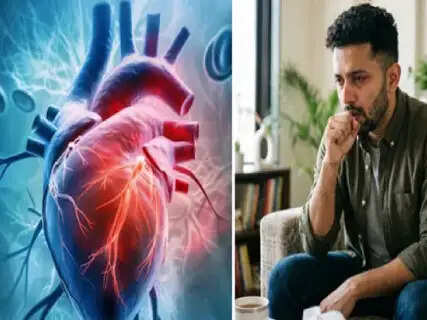
Can a stubborn, month-long cough and routine exhaustion actually be your heart crying out for emergency help? In a dramatic medical case that has sent waves through the healthcare sector, what a patient initially dismissed as a lingering seasonal respiratory bug turned out to be a life-threatening cardiac crisis. The case highlights how easily the early warning red flags of advanced heart disease can mimic everyday throat irritation or low stamina, catching individuals completely off-guard until the point of critical organ strain.The Routine Checkup That Uncovered A Critical Double-Valve NarrowingThe patient had been battling a relentless cough for nearly four weeks. While standard cough syrups and over-the-counter medications offered brief windows of temporary relief, the symptoms steadily escalated into acute shortness of breath and a dangerous drop in blood oxygen saturation levels. Fearing a chronic chest infection, the individual checked into the hospital for basic pulmonary diagnostics. However, comprehensive cardiovascular screening revealed a shocking reality: two of the heart's primary structural valves were severely damaged and narrowed, creating a high-risk bottleneck for blood circulation that required immediate surgical intervention.The Expert Diagnosis: Understanding Mitral And Aortic StenosisDr. Mitesh B. Sharma, Director of Cardio-Thoracic and Vascular Surgery (CTVS) at Kailash Deepak Hospital, who spearheaded the emergency medical team, shed light on the mechanics of the diagnosis. "The patient presented with advanced symptoms of exertional dyspnea (shortness of breath), chronic fatigue, and persistent tachycardia (a rapid heartbeat). He had been silently struggling with this progressive exhaustion for months, tiring out after minimal physical movement," Dr. Sharma explained. The detailed echocardiogram confirmed severe narrowing (stenosis) of both the mitral valve (which regulates blood flow from the left atrium to the left ventricle) and the aortic valve (which controls the vital output of oxygenated blood from the left ventricle into the main aorta). When these structural gates narrow, the heart muscle must exert immense, hazardous pressure to force blood through, eventually leading to congestive heart failure if left uncorrected.Why Specialists Preferred A Biological Valve Replacement Over Metallic OptionsGiven the severe blockage of both pathways, a complex double-valve replacement surgery became the only viable path to save the patient's life. When deciding between a traditional mechanical/metallic implant and a tissue-engineered solution, Dr. Sharma’s clinical team opted to prioritize a biological valve. Crafted from specially treated animal tissues to ensure complete human biocompatibility, biological valves offer a massive lifestyle advantage over their metal counterparts. While metallic valves require patients to remain on high-dose, strict blood-thinning medications (anticoagulants) for the rest of their lives alongside frequent, stressful blood monitoring tests, biological valves drastically reduce this chemical dependency. Patients only need blood thinners for a short, temporary post-operative healing window, sparing them from lifelong medication hassles and bleeding risks.The Roadmap To Recovery: A Triumphant Surgical Success StoryThanks to precision cardiothoracic engineering and rapid clinical response, the high-stakes double-valve surgery achieved 100% success. Both diseased valves were flawlessly replaced with the biological tissue implants. Due to the minimally traumatic techniques deployed, the patient's cardiovascular system adapted rapidly, showing an exceptionally quick recovery pattern that allowed for a hospital discharge within just a few days. During the subsequent outpatient follow-up evaluations, the patient's cardiac rhythm, oxygen stability, and stamina metrics were recorded as excellent, allowing him to return to an active, completely healthy lifestyle free from the shadow of chronic fatigue.
Around the web