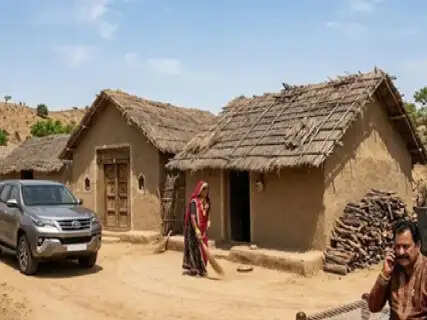
In an era defined by rapid urbanization, soaring glass skyscrapers, and architectural extravagance, a small rural settlement in the heart of western India stands as a stunning testament to absolute communal faith and cultural preservation. While the modern world races toward smart cities, the unique settlement of Devmali rejects concrete structures entirely. Recognized globally for its deeply rooted heritage, this fascinating destination presents a rare social dynamic where elite, wealthy landowners and impoverished agrarian workers live side-by-side in identical thatch-roofed dwellings, proving that ancient traditions can easily outlast modern consumerism.The Geography of Devmali: Rajasthan’s Mud-Walled Marvel Near JaipurGeographically nestled within the recently structured Beawar district of Rajasthan—situated approximately 186 kilometers away from the bustling state capital of Jaipur—Devmali completely redefines the concept of sustainable living. As you cross the village borders, the landscape shifts from asphalt roads to pristine mud paths lined exclusively with traditional clay huts. Despite many families accumulating massive financial wealth through agriculture and cross-border trades, the construction of permanent concrete (pucca) houses is entirely banned by community consensus, making it India's only documented millionaire settlement devoid of brick-and-mortar architecture.The Sacred Curse: A Mythological Promise to Lord Devnarayan Keeps Bricks AwayThe foundational reason behind this lack of modern architecture is rooted in a centuries-old spiritual pact. The entire local populace shares a deep, unshakeable devotion toward their patron deity, Lord Devnarayan. According to local folklore passed down through generations, their ancestors promised the visiting deity that out of absolute humility, no mortal in the territory would construct a house higher or stronger than the Lord's own local shrine. The community strongly believes that breaking this generational vow invites severe cosmic retribution; institutional memory records that a family that previously attempted to build a modern brick house met with sudden, tragic structural ruin, permanently cementing the clay-only building code.Complete Vegetarianism and Absolute Prohibitions: The Daily Lifestyle of DevmaliBeyond its unique architectural layout, the internal lifestyle rules of Devmali emphasize rigorous community discipline and spiritual cleanliness. The entire resident population strictly adheres to a zero-tolerance policy regarding non-vegetarian food systems and completely abstains from the possession or consumption of alcoholic beverages. The villagers function as a highly coordinated micro-society, viewing themselves not merely as neighbors, but as true descendants of a singular, shared ancestral lineage that bound the community together centuries ago under a unified spiritual code.Zero Crimes in 50 Years: The Utopian Village Where Front Doors Lack LocksPerhaps the most jaw-dropping sociological marvel of Devmali is its absolute absence of systemic crime. For over five consecutive decades, the residents have completely abandoned the practice of locking their wooden entrance gates, leaving their homes, cattle yards, and domestic assets completely exposed. Despite this total lack of basic security protocols, the regional police records indicate zero reports of theft, residential burglaries, land disputes, or violent communal conflicts, making it a real-world utopian society driven entirely by mutual trust and moral self-regulation.Best Tourist Village Honors: Recognizing Bundi-Region Heritage on the National StageAcknowledging these unparalleled socio-cultural attributes, the Ministry of Tourism, Government of India, officially declared Devmali as the "Best Tourist Village" during its national evaluation cycle. This prestigious central government honor has rapidly transformed the isolated settlement into a premium destination for sustainable global tourism and anthropological research. Travelers visiting the region are offered a raw, uncommercialized glimpse into rural Indian heritage, showing how ancient faith can successfully protect a community's environment and maintain peace in a fast-changing world.
Around the web