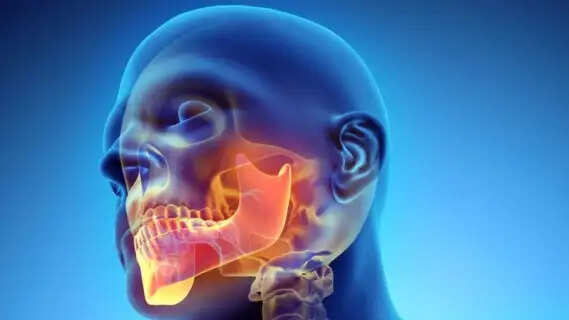
Observed globally on July 27, World Head and Neck Cancer Day serves as an urgent wake-up call regarding an alarming shift in oncology trends. Historically considered a disease primarily affecting individuals in their 50s and 60s, oncologists across India are witnessing a notable surge in head and neck cancer diagnoses among much younger demographics—particularly adults in their 30s.According to Dr Yash Mathur, Senior Consultant – Head and Neck Oncology and Robotic Surgery at HCG Cancer Hospital, Borivali, changing lifestyle patterns, early tobacco and alcohol initiation, rising Human Papillomavirus (HPV) prevalence, and ignored early symptoms are driving this worrisome decline in average patient age.Why Are Young Adults at Increasing Risk?India carries one of the heaviest global burdens of head and neck cancers, with over 75% of cases originating in the oral cavity and pharyngeal regions. While traditional risk factors remain dominant, newer lifestyle variables are accelerating early onset:Expanded Tobacco & Substance Use: Early-age exposure to chewable tobacco (gutkha, khaini, paan masala), smoking, and vaping (often mistakenly viewed as a safer alternative).Alcohol Synergism: Regular alcohol consumption combined with tobacco exponentially multiplies the damage to mucosal linings.Rising HPV Cases: Human Papillomavirus infections are driving an increase in throat and oropharyngeal cancers, often in individuals with no history of tobacco use.Chronic Stress & Poor Nutrition: Diets lacking essential antioxidants, paired with chronic physical stress and poor oral hygiene, weaken local cellular defence mechanisms.Early Warning Signs Often Misdiagnosed as Minor IllnessesA primary obstacle in treating younger patients is delayed clinical diagnosis. Because young adults view themselves as low-risk, persistent symptoms are frequently dismissed as seasonal infections, routine allergies, or minor dental issues.Dr Mathur advises seeking immediate medical evaluation if any of the following symptoms persist for more than 2 to 3 weeks:Warning SignCommon MisconceptionRed Flag Clinical RealityNon-Healing UlcerRoutine canker soreLesion lasting >2-3 weeks, bleeding, or forming raised/irregular borders.Hoarseness / Voice ChangeSeasonal laryngitis or coldContinuous voice raspiness without an active respiratory infection.Neck Swelling / LumpsSwollen node from a sore throatFirm, painless, or enlarging lump in the neck or jawline.DysphagiaAcid reflux/throat infectionPain or persistent difficulty while swallowing food or liquids.Unexplained BleedingGum diseaseUnprovoked bleeding from the oral cavity, throat, or nose.Preventive Measures to Reduce RiskWhile not all malignancies are completely preventable, adopting critical lifestyle safeguards drastically lowers susceptibility:Eliminate Tobacco: Stop using cigarettes, cigars, chewable tobacco, and electronic vaping devices.Moderate Alcohol Use: Limit alcohol intake to prevent synergistic mucosal irritation.Practice Safe Behaviours: Practice safe sex to minimise the risk of oral HPV transmission.Maintain Oral Hygiene: Schedule bi-annual dental check-ups and treat sharp, broken teeth or ill-fitting dentures that cause chronic tissue friction.Antioxidant-Rich Diet: Consume balanced meals rich in natural vitamins, minerals, and plant-based proteins.Key Takeaway: Early-stage head and neck cancers offer significantly higher survival rates, simpler surgical interventions, and better post-treatment quality of life. Never ignore persistent oral or throat symptoms lasting beyond three weeks—timely diagnosis is the most effective tool for a successful cure.
Around the web